Brent Waller is one of the most prolific fan designers in the history of LEGO Ideas. Since the early days of LEGO CUUSOO, his projects have become official sets based on Ghostbusters, Seinfeld, and now The X-Files. Fittingly, longtime fans may recognize him online by the username “wetwired,” a reference to the Season 3 episode of The X-Files.
Along the way, he’s experienced just about every outcome the platform has to offer: projects that were approved, projects that were rejected, challenge winners, and countless lessons learned over more than a decade of submitting ideas.
With LEGO Ideas 21369 The X-Files becoming available soon, I sat down with Brent for a long conversation while I built the set. We talked about the evolution of LEGO Ideas, how his approach to designing has changed over the years, what it feels like to experience both success and rejection, and why, after all this time, he’s still creating the kinds of LEGO sets he wants to see on store shelves himself.
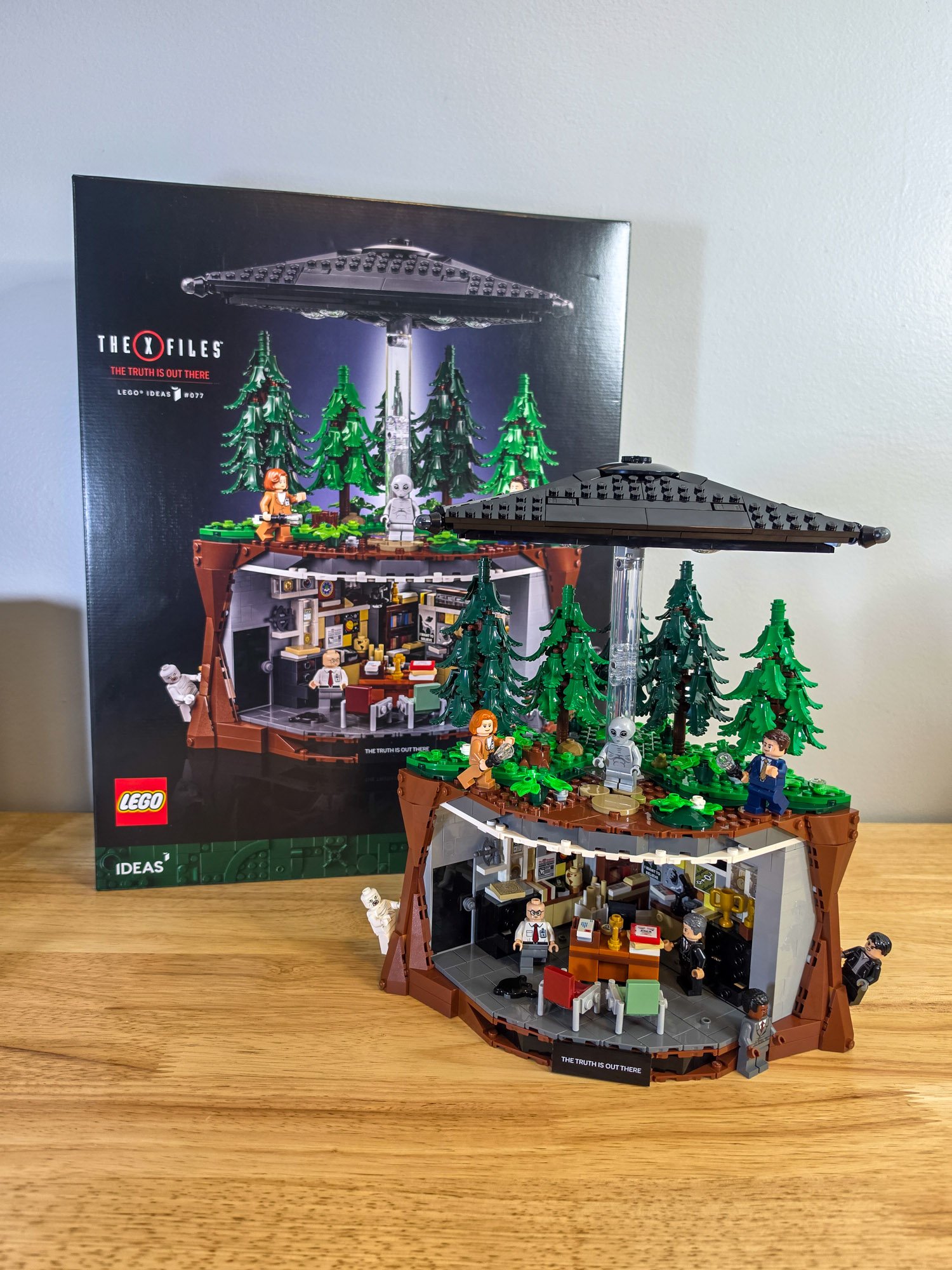
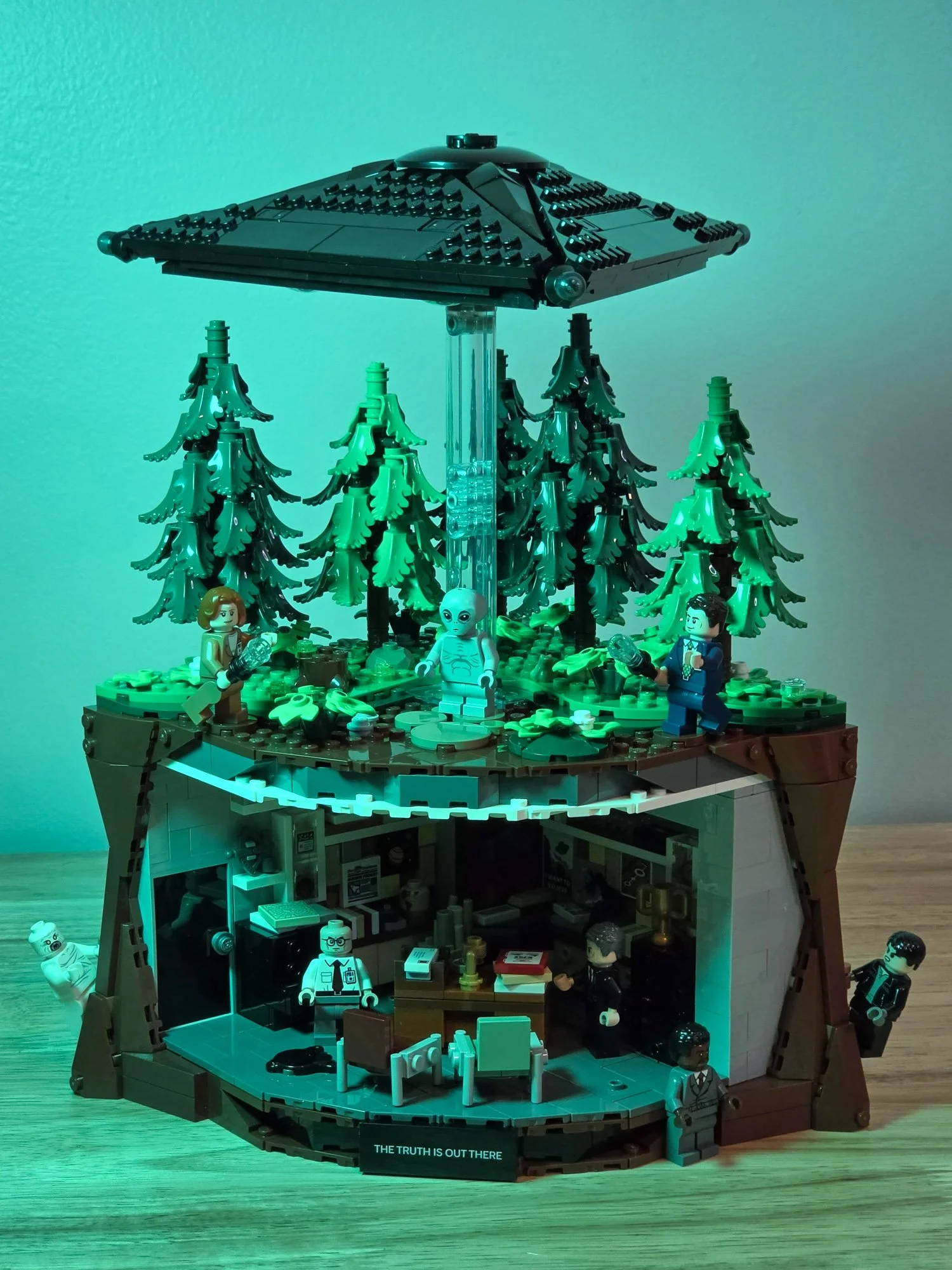
At first glance, The X-Files set feels like a remarkably complete representation of the series. Rather than focusing solely on Mulder’s basement office, the finished model combines some of the show’s most recognizable moments into a single display. A hovering UFO, a spooky forest, familiar monsters, and dozens of Easter eggs all work together to capture the feeling of The X-Files in a way that even casual fans can recognize. Ironically, that wasn’t how the project began.
The Set That Almost Never Happened
Dave: The X-Files seems like a great LEGO Ideas project, but its roots go back almost a decade, right?
Brent: I did. I tried to submit it back then, but LEGO rejected it before it could even take votes because they considered it too mature for the platform. This was before Stranger Things and some of the other licenses that have come since. I built it for myself anyway, put some photos on Flickr, and that was where it stayed for a long while.
Then, after Stranger Things-related sets came out from LEGO, I noticed someone else had submitted an X-Files project. That told me LEGO had reviewed the IP and decided they were open to it now. I got excited and resubmitted my original Mulder’s office almost unchanged. Looking back, I probably should have redesigned it first. That version eventually reached 10,000 supporters, but it still wasn’t approved.
Dave: So after that rejection, what made you decide to take another run at it instead of just updating the office?
Brent: I realized the office by itself wasn’t enough. If you’re making a LEGO Ideas set based on a movie or television show, you have to capture the feeling of that property in a single build. Unless you’re a big X-Files fan, Mulder’s office isn’t immediately recognizable. It isn’t like the Ecto-1 or the DeLorean, where everyone instantly knows what they’re looking at.
When the LEGO Ideas ‘90s Nostalgia Challenge came along, I started thinking differently. Instead of asking, “How do I build Mulder’s office?” I started asking, “How do I build The X-Files?” That’s when the UFO, the forest, and the office all came together into one display piece that represented the entire series. It stopped being about building Mulder’s office and became about communicating The X-Files in a single LEGO model.
Dave: Looking at your original submission beside the finished set, it’s noticeably smaller. The office has been streamlined, but it honestly doesn’t feel like it lost much detail.
Brent: That’s because my original model was intentionally oversized. The challenge had one category under 1,000 pieces and another over 2,000 pieces, so I deliberately expanded my model just enough to qualify for the larger category. I think it ended up at about 2,001 pieces. Looking back, it really didn’t need to be that big.
Chris McVeigh, the LEGO designer, did an amazing job refining it. My UFO was heavily over-engineered because I thought that would make it stronger, but it actually made it more fragile. His version uses fewer parts, is much sturdier, and still captures exactly the same shape. The office is similar. It looks much like mine, but everything is tighter, more efficient, and uses the parts better.
Dave: Was there anything LEGO changed that, looking back now, you actually think improved the original design?
Brent: Quite a bit, actually. There’s a little hidden UFO and car inside the forest that weren’t part of my submission. The cupboards are built completely differently than mine, but they’re a much better solution. Their version is tighter and more refined. There’s a lot more dead space in mine.
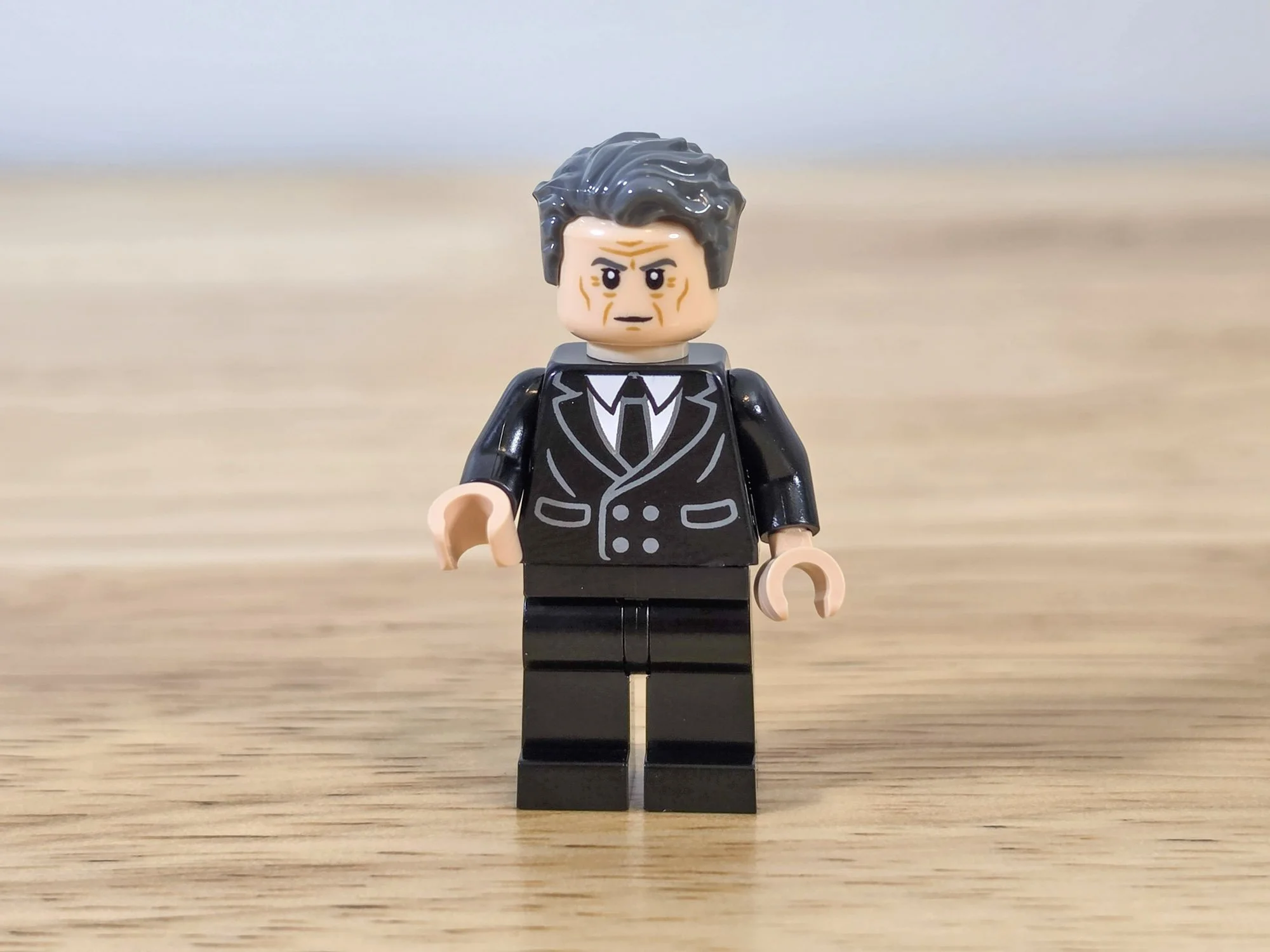
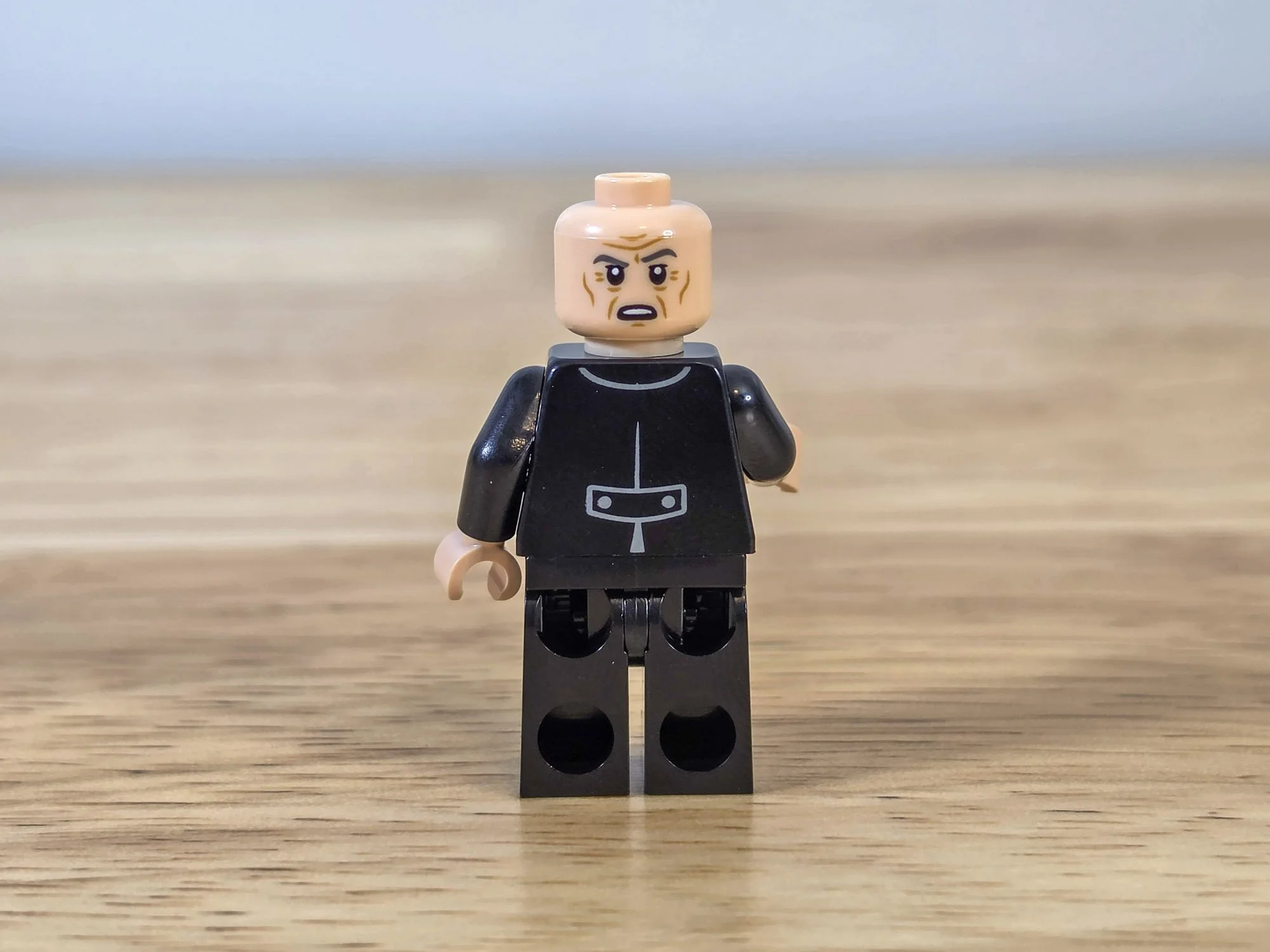
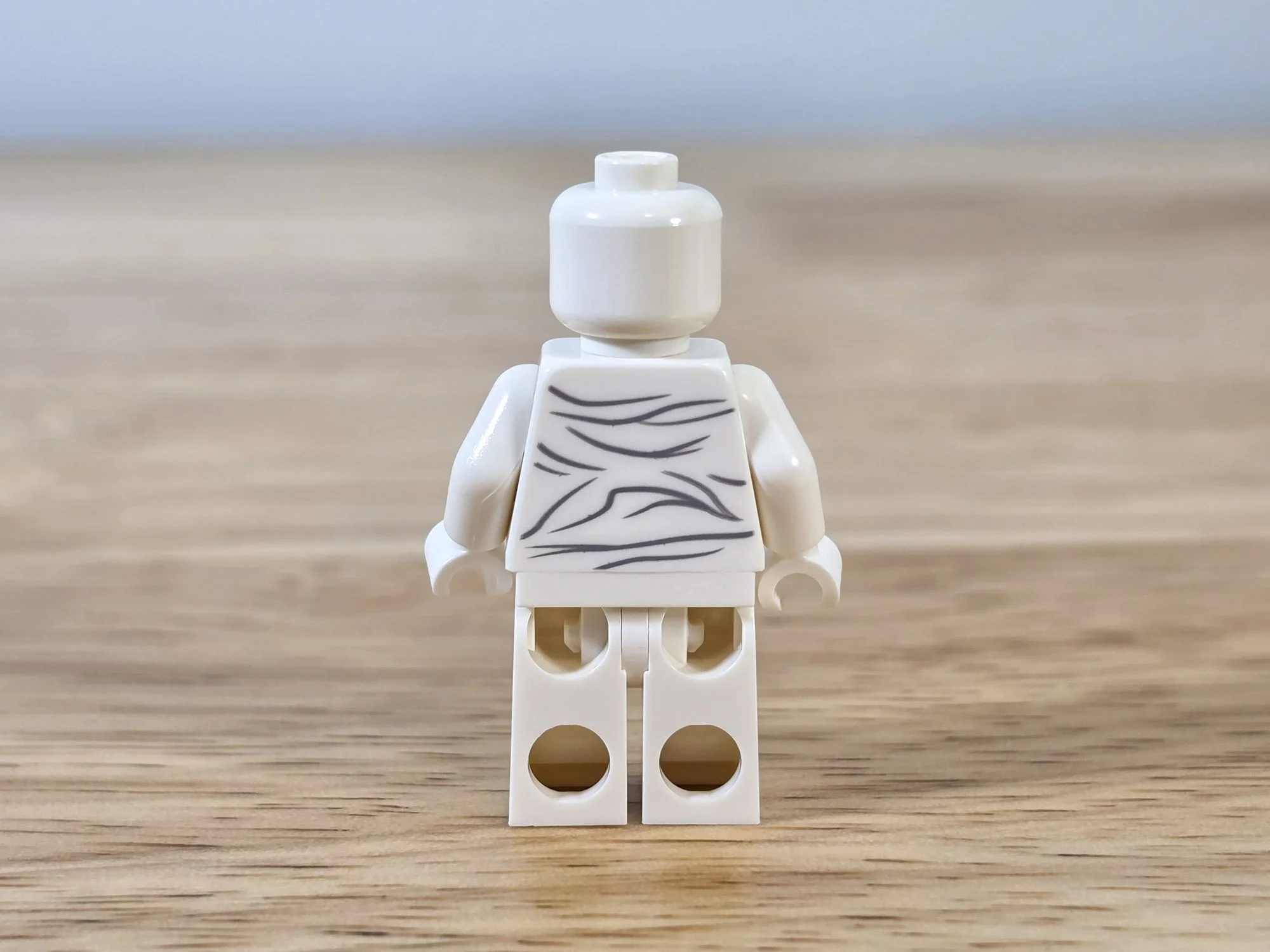
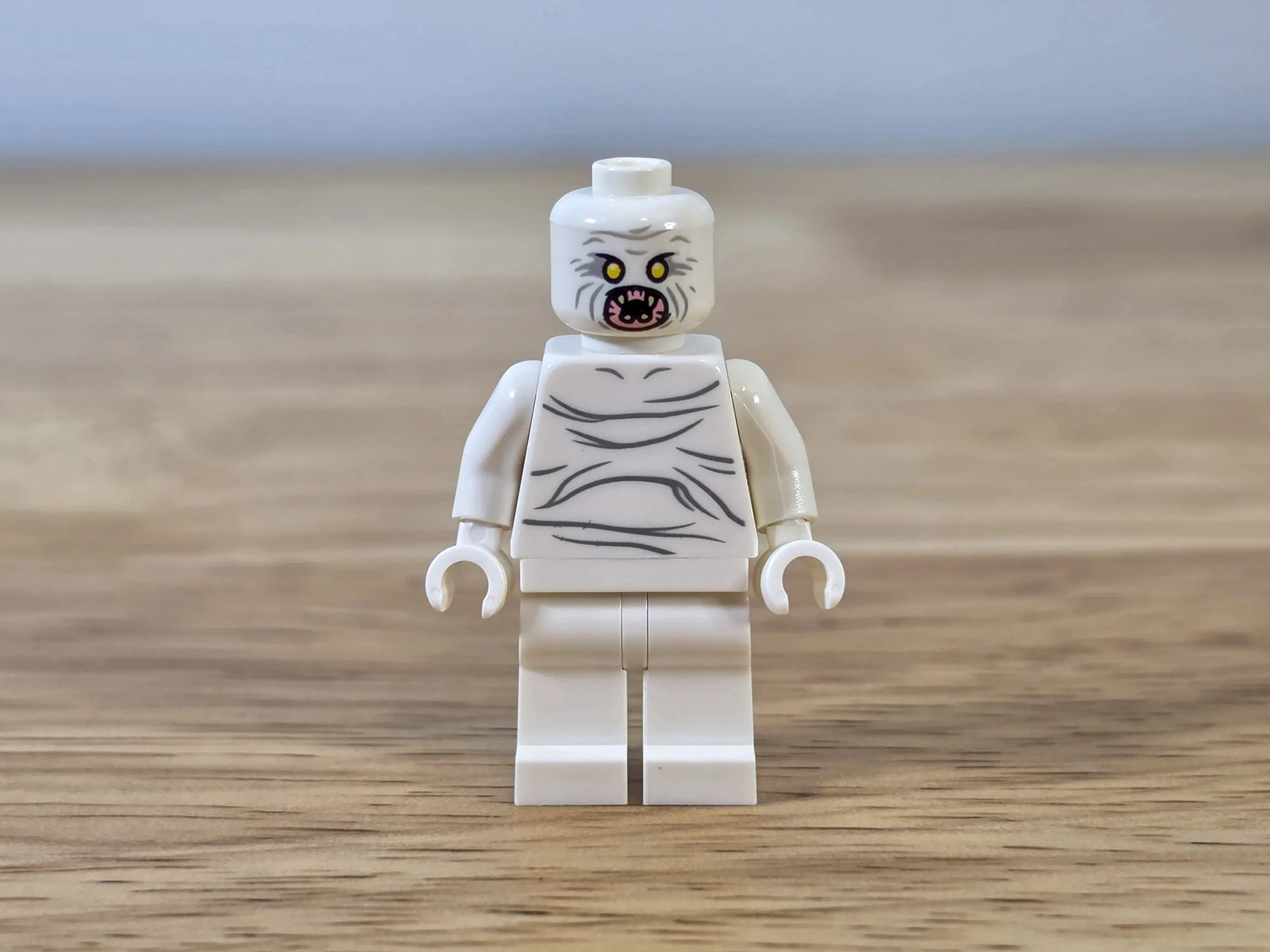
There were also character changes. I really wanted Flukeman in the set from the beginning, but I simply ran out of time to design him for my original submission. I ended up using Bigfoot because there was already a Bigfoot minifigure available. Once the project moved into development, Flukeman was one of the first things I mentioned to the team because he’s such a memorable part of the series.
A few of the little details came from fans, too. People kept telling me I had to include Mulder’s pencils stuck in the ceiling, but my original office didn’t even have a ceiling. When it was redesigned, that became one of the first things to add.
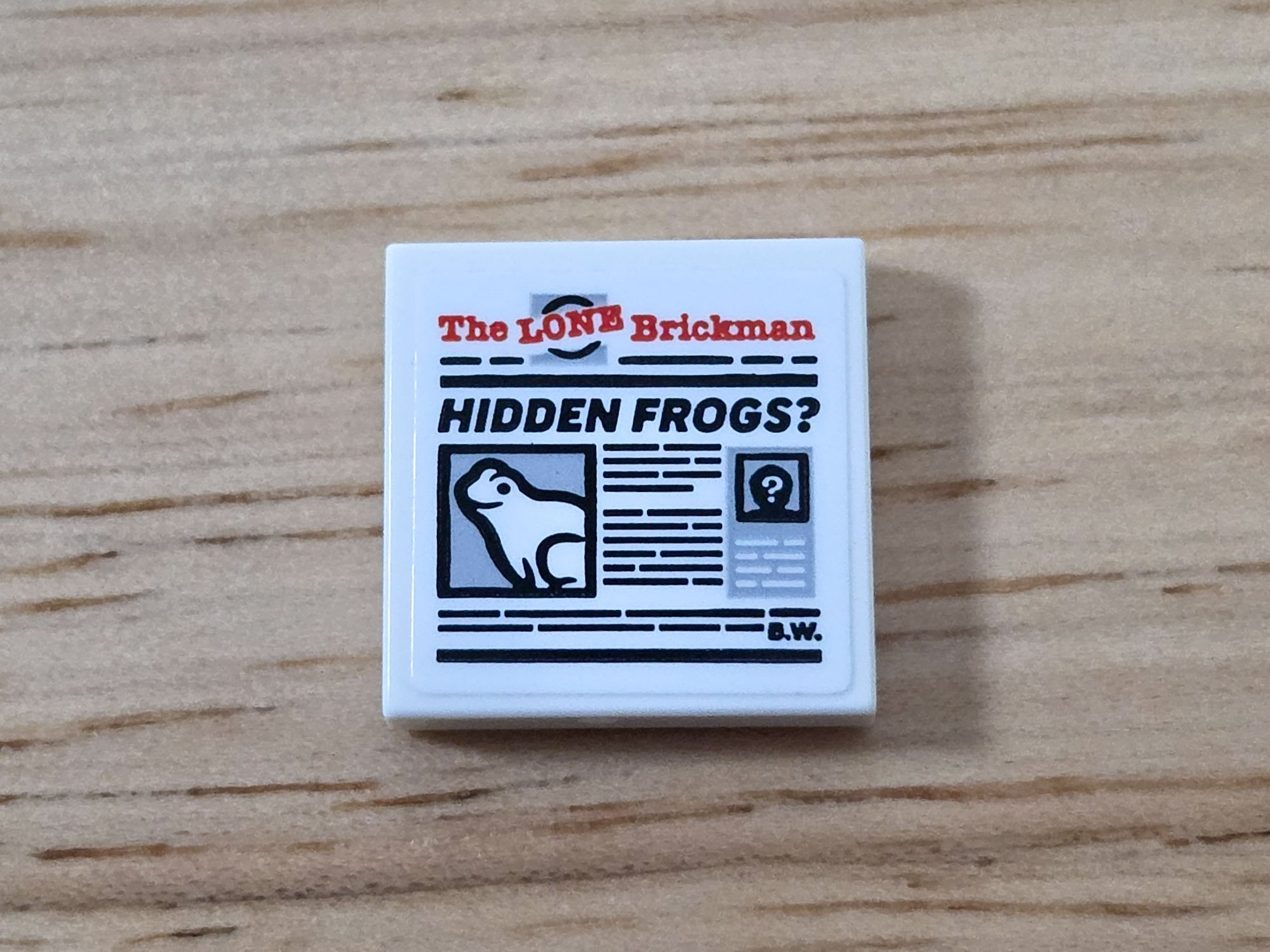
Then there are all the Easter eggs. The frogs, the newspaper, the videotapes, the little “BW” initials on one of the stickers—we basically had a running list of references we wanted to find a way to sneak into the set.
A Different Way to Become a LEGO Designer
Dave: Let’s go back to the beginning. You’ve been around since the CUUSOO days, which feels like a lifetime ago now. How did you find your way into that early program?
Brent: Like a lot of people, I grew up with LEGO before drifting away from it. My dad built me a huge table where I had an entire LEGO town spread across multiple baseplates, and I was always building things inspired by whatever I was interested in. I remember using the Forestmen as the Teenage Mutant Ninja Turtles because green minifigures were still fairly new, and I could use the different colored feathers in their hats to tell them apart.
Eventually I hit my Dark Age. Computers, basketball, and The X-Files took over, and LEGO faded into the background for quite a while. It wasn’t until around 2005 or 2006 that a coworker showed me Café Corner and the Green Grocer. Around the same time, LEGO released the Indiana Jones theme. Seeing LEGO creating detailed buildings aimed at adults while also producing sets based on one of my favorite movie franchises was enough to pull me back into the hobby.
Dave: So you’ve got a professional design background, then you start building digitally with LEGO. Did one naturally feed into the other?
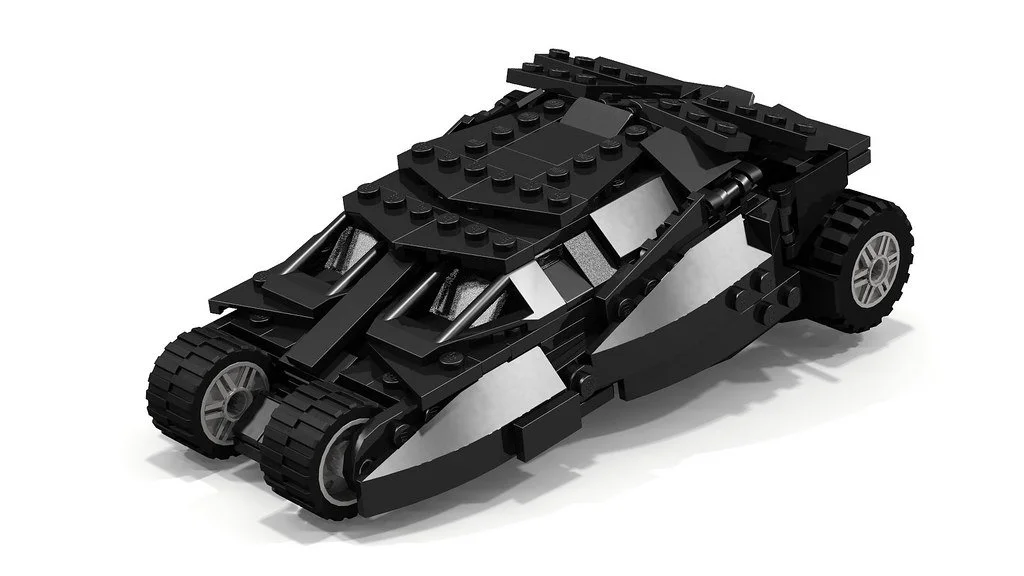
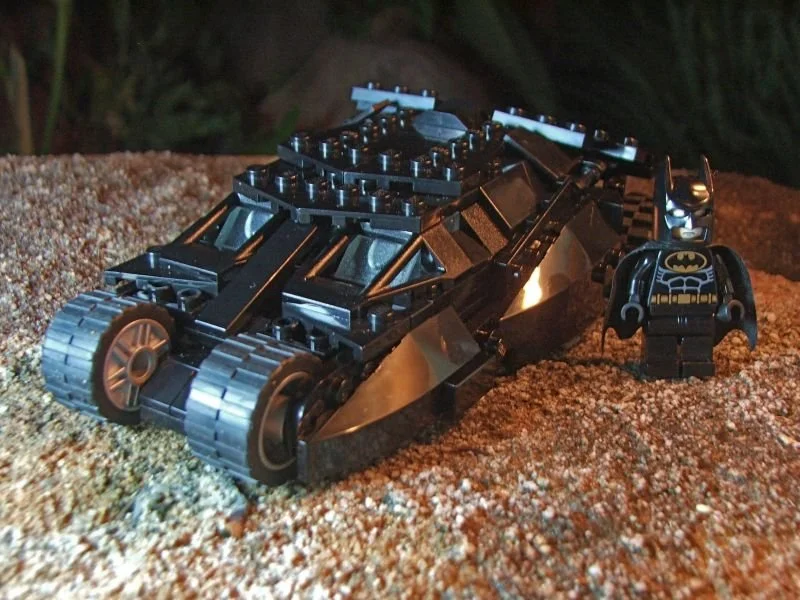
Brent: They really did. I’d taught myself 3D modeling and animation and was working professionally in games and digital art. Around that time, I discovered LEGO Digital Designer and decided to build the Tumbler from Batman. I ordered all the parts online, built it for real, and shared it online without expecting much. That was my first proper MOC as an adult. The response surprised me. People wanted instructions. They wanted to build it themselves. That was really my introduction to the adult LEGO community, and it completely changed my perspective on what the hobby could be.
Not long afterward, LEGO CUUSOO opened to builders outside Japan. Designing an official LEGO set had been a dream since I was a kid, so the idea that anyone could submit a concept was incredible. I remember talking to a LEGO Dacta representative at school when I was young and asking how to become a LEGO designer. He told me I should become an engineer. I decided that probably wasn’t the path for me, but CUUSOO unexpectedly created another one.
View fullsize
View fullsize
Dave: Did you have any kind of strategy back then when it came to promoting LEGO CUUSOO sets?
Brent: None whatsoever. I just submitted ideas I thought would make fun LEGO sets. If I thought something would make a fun LEGO set, I’d build it and submit it. There was the Batmobile, a modular costume shop, a series of mechs based on classic LEGO themes—pretty much anything that interested me. Nobody really knew what CUUSOO was going to become. There wasn’t a roadmap or a formula for success because the platform itself was still finding its identity.
When Everything Changed
Dave: Ghostbusters really seems like the project that changed everything. How did that one get started?
Brent: It actually started as something I built for myself. My daughter was still pretty young, and I couldn’t leave LEGO spread all over the floor anymore, so I started building digitally in LEGO Digital Designer. I’d made the Tumbler, and then I built the Ecto-1 because Ghostbusters has always been one of my favorite movies. I wasn’t planning to submit it anywhere.
Then Cade Franklin (now of LEGO Masters Australia fame) saw it and said, “You’ve got to put that on CUUSOO!” He already had a project on there, and he thought mine had a better chance. I hadn’t really considered it until then, but he convinced me to give it a shot.
Dave: How did you get people to be interested in it? While I know many builders hope their models speak for themselves, I know that a little bit of promotion can go a long way.
Brent: There wasn’t a playbook back then. Nobody really knew how to promote a project because the platform was still so new. I was just designing LEGO sets I wanted to exist. I thought it was something that would make a fun LEGO set. I wasn’t trying to predict what LEGO would choose or follow some formula because, honestly, none of us knew what the formula was yet. (And we still don’t!)
For that Ghostbusters car, I remember making this little promotional video on my kitchen bench. I bought some dry ice, put a green plastic cup over a flashlight to get that eerie glow, filled the room with fog, and filmed the Ecto-1 driving through it. It seems pretty simple now, but at the time it was something different, and people responded to it. We were all experimenting.
Dave: One thing I forgot about those early days is that projects could actually change while they were collecting supporters. How did that affect Ghostbusters?
Brent: That’s something people forget. Back then, you could actually edit your submission after it went live. The original project was just the Ecto-1. As support grew, people kept asking where the Firehouse was, so I built it and added it to the project. You can’t do that anymore, but in those early CUUSOO days the rules were still evolving (or maybe I helped inspire that rule!). We were figuring things out as we went, and LEGO was figuring them out right alongside us.
Dave: What do you remember about the day it was approved?
Brent: I woke up to a whole bunch of messages congratulating me, and I had no idea what everyone was talking about. Because I was in Australia, the announcement happened while I was asleep. Once I realized what had happened, it was surreal. Suddenly this thing I’d built on my computer because I loved Ghostbusters was actually going to become a real LEGO set. That was the moment it really hit me.
Dave: Once LEGO took over the project, what surprised you most about the process?
Brent: Watching the designers work their magic was incredible. At first you naturally think, “I would have done that differently,” but pretty quickly you realize they’re solving problems you never even considered. They’re not trying to recreate your model piece for piece. They’re trying to make the best possible LEGO set.
I think that was when I started looking at the changes differently. Instead of immediately wondering why something had changed, I started asking why the designers had changed it. Most of the time there was a good reason, and each project showed me something I probably would not have worked out on my own.
Dave: Looking back now, what has stuck with you the most? Did you learn anything about the whole fan-submission process?
Brent: Trying to promote CUUSOO submissions forced me to learn how to explain an idea, build an audience, and get people excited enough to support it. Later, when we launched a Kickstarter to start our game studio, 5 Lives Studios here in Brisbane, a lot of those same skills carried over. Then, after running Kickstarter campaigns, I came back to LEGO Ideas with an even better understanding of how to present a project. It all fed into itself. Every project after Ghostbusters benefited from that in some way, whether it became a set or not.
Growing with LEGO Ideas
Dave: Looking back at those early CUUSOO projects, could they even compete on LEGO Ideas today?
Brent: Honestly… probably not. That isn’t because the model would necessarily be worse. It’s because everything around LEGO Ideas has changed. Back then, you built something, uploaded a few photos, wrote a description, and hoped people found it. There wasn’t really an expectation that you’d have a promotional video ready or beautifully rendered images or a social media campaign planned out. Now that’s almost part of the process.
People put an incredible amount of effort into presenting their projects. The photography is amazing. The graphics are amazing. Some of the videos people create are almost advertisements. The quality of the models has gone up too, so the overall standard is much higher than it used to be. In a way, that’s great because it pushes everyone to build better things. At the same time, it means there are far more excellent projects than LEGO could ever realistically produce.
Dave: So it’s no longer enough to build a great LEGO model.
Brent: Exactly. You’re really trying to reach two different audiences now. The first audience is already on LEGO Ideas. They’re browsing projects and deciding which ones deserve their support. Then there’s everyone else. You have to convince people on Reddit, Facebook, Instagram, YouTube, or wherever they happen to discover your project to click through in the first place. They’re not looking for your model—you have to give them a reason to care.
At the end of the day, you are pitching a product. You want people to look at it and feel as though they could walk into a LEGO Store and pick up exactly that set. Every barrier between the idea and the way you present it makes that harder. I definitely was not thinking about all of that when I started. Back then I was mostly thinking, “I built this thing. Hopefully people like it.”
Dave: That’s a lot to take on. With all of that in mind, how do you decide which ideas are worth spending months of your life designing?
Brent: This is going to sound a little selfish, but every project I’ve submitted has been something I wanted LEGO to make. I wanted a Ghostbusters set. I wanted Seinfeld. I wanted The X-Files. If I can picture myself walking into a LEGO Store and immediately buying it, then that’s usually enough for me to spend the time designing it. Overall, I feel a little like a grandpa on LEGO Ideas now. I am Gen X, and much of the newer material appeals more to millennials and even younger people. I sometimes look at product idea submissions and think, “I do not even know what that is.”
People sometimes assume you are looking for trends or trying to figure out what LEGO wants next. You do see people piggybacking on successful ideas: one sitcom gets approved and suddenly there are a lot more sitcom submissions. The Seinfeld set was partly me piggybacking on Friends, but in a very Seinfeld way: “Why the hell do they get a LEGO set and Seinfeld does not? Seinfeld was way better than Friends.” It was competitive, but it also came from genuinely loving Seinfeld. I could have picked a more contemporary sitcom, but if I did not like the show, I think that would show in the model.
Finding the Right Home
Dave: When you started submitting projects, there was really only one path. If a project wasn’t approved, that was pretty much the end of the story. Today you’ve experienced LEGO Ideas, Ideas Challenges, and the BrickLink Designer Program. Do you find yourself designing differently depending on where a project might end up?
Brent: I think it’s made me realize that not every idea belongs in the same place. LEGO Ideas has to produce sets that can sit on shelves all over the world. Those projects need broad appeal. BrickLink Designer Program is different. It can cater to more specific interests because it’s aimed at a different audience. If someone wants to design a huge castle or an intricate modular building, there are plenty of AFOLs who’d love something like that, even if it isn’t the right fit for LEGO Ideas.
I don’t really see the two programs competing with each other. I think they’re complementary. One isn’t replacing the other—they’re just giving different kinds of projects a chance to exist.
The Ideas Challenges have been interesting because the framework makes you approach a project differently. For the ‘90s Challenge, I looked at the other submissions and thought about what I remembered most from that decade. The X-Files essentially was my ‘90s; from about 1994 through 2000, it dominated that period of my life. That pushed me beyond simply updating the office and toward something that represented the show more broadly. Garfield came from the same place for the ‘80s Challenge: the toys stuck to car windows, the little collections of newspaper strips, and the stuffed Garfield I had as a kid. The restrictions gave me somewhere to start rather than making the ideas smaller.
Dave: Have you ever caught yourself designing for the platform instead of for yourself?
Brent: I actually tried chasing what I thought people wanted for a while, especially for the BDP. Castle projects were doing really well, so I literally started three or four designs thinking, “All right, I am just going to target the Castle audience because that is what everyone else is doing.” But I think that showed through. I like Castle, but I am not a mega fan in the way some builders are, and they know that world inside and out. The closest I got to something that felt like mine was a big portal design that was Castle-adjacent, but I pushed it toward the creepy, spooky, slightly darker things I actually enjoy.
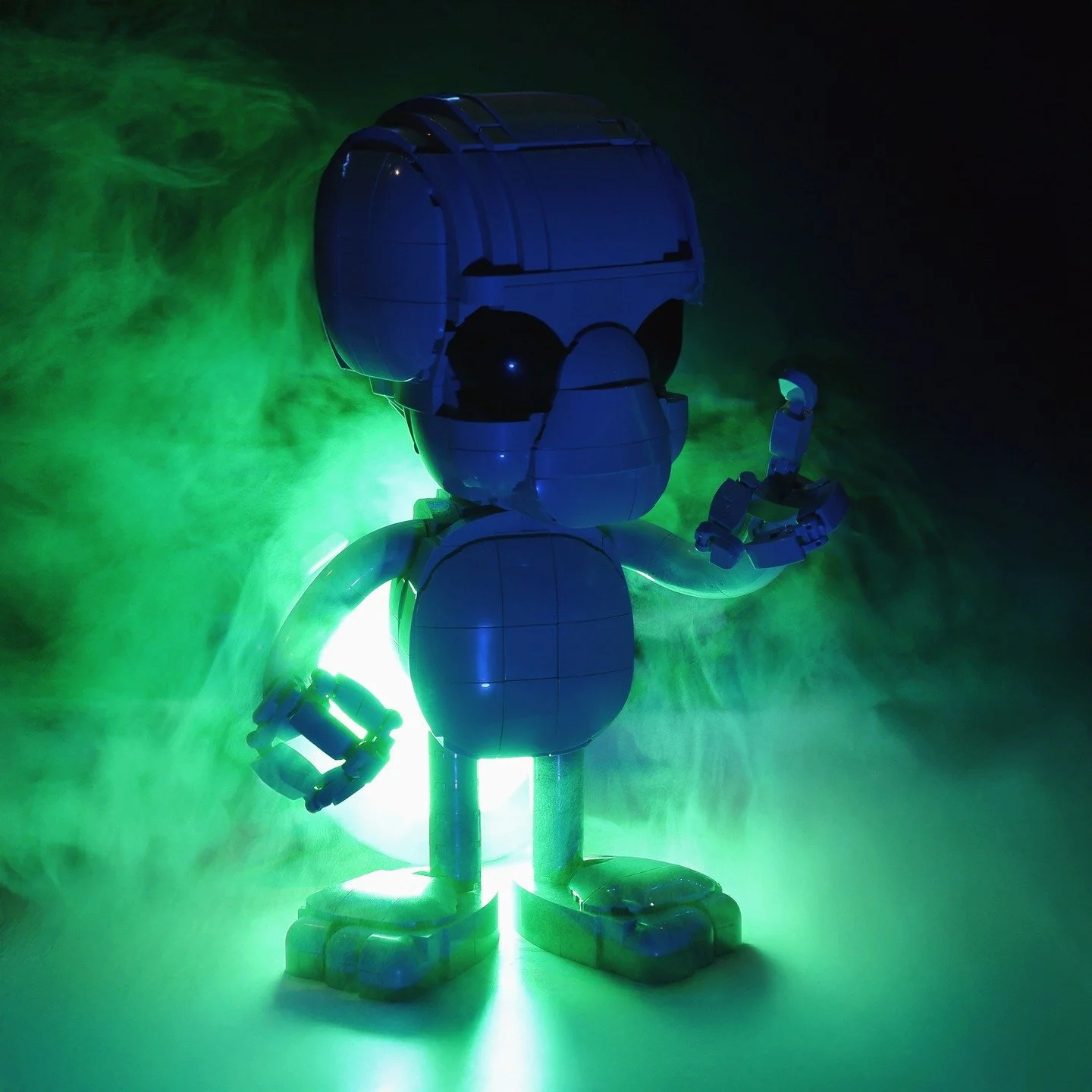
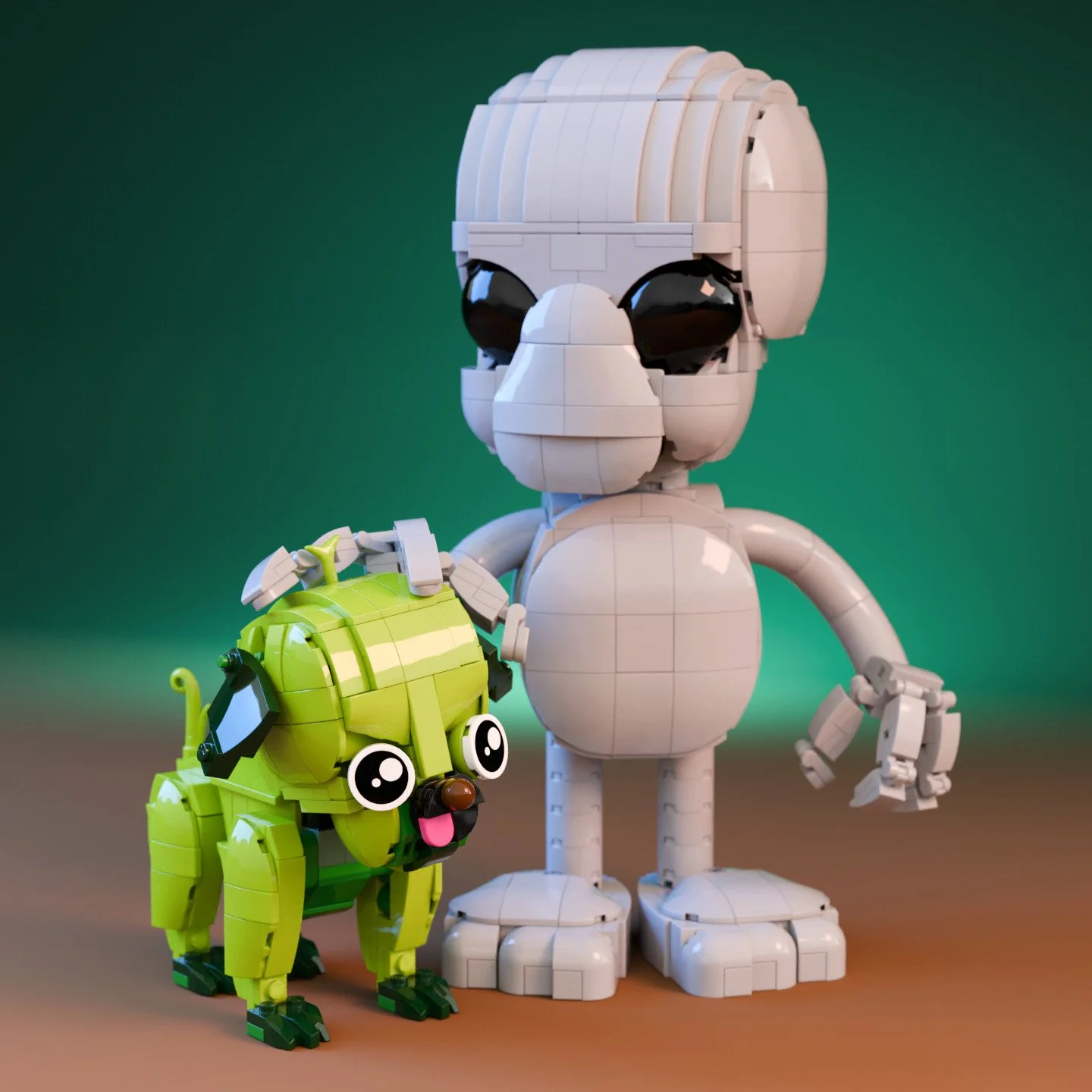
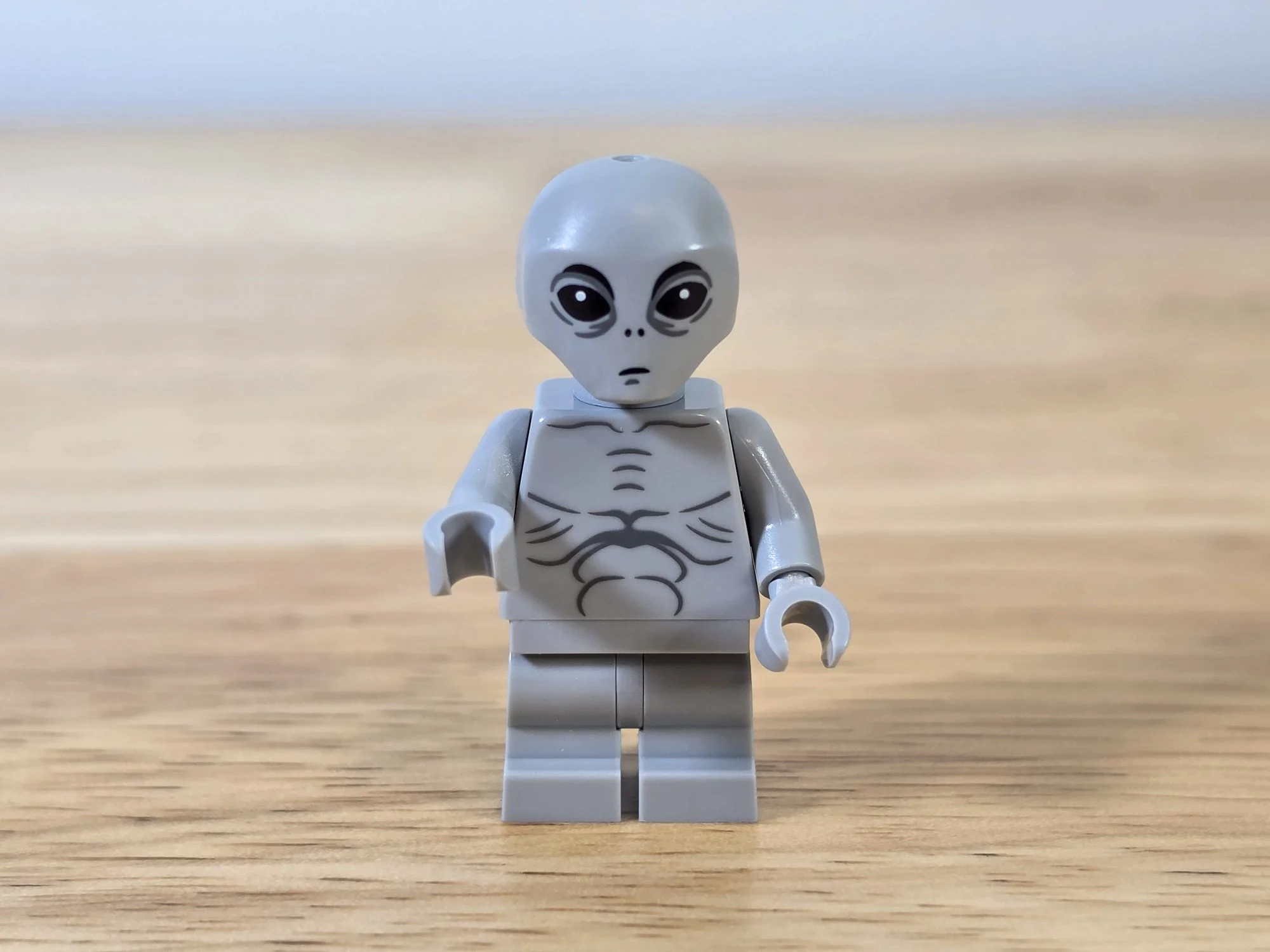
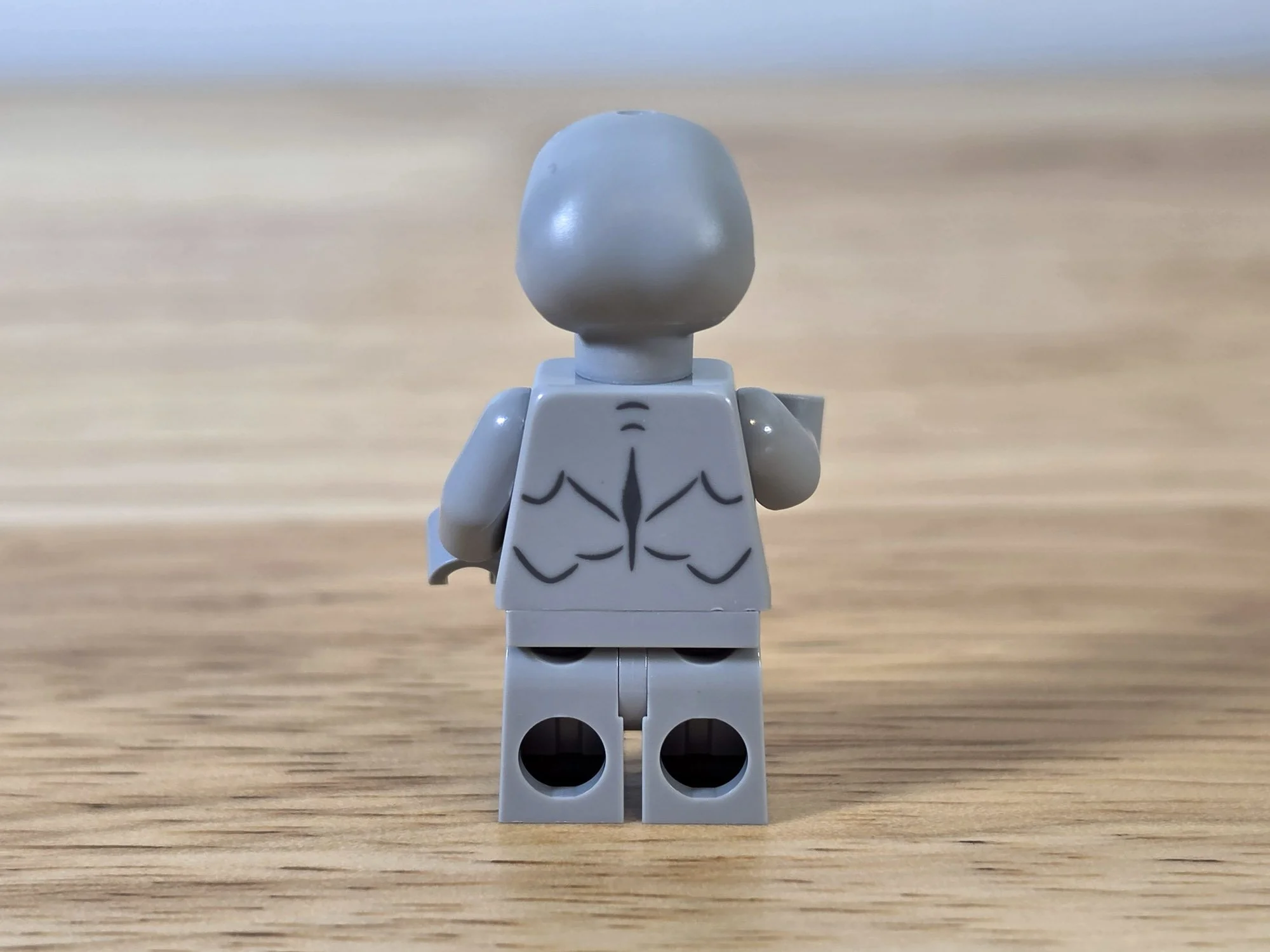
The Alien came from a different direction. I liked the character format I had used for Garfield and wanted to find another subject that worked in that style. I was trying to use nostalgia without relying on an IP: something unlicensed that still had the recognizability of a familiar character. Everyone knows what a gray alien looks like. Maybe I subconsciously still had The X-Files on the brain, but it was not a conscious tie to the show. I even started a Bigfoot to go with it, because Bigfoot and the gray alien sit in that same recognizable, slightly spooky category.
I have had better luck when I stop trying to target an audience I do not really belong to and push the idea back toward my own interests. Even when a project does not go anywhere, at least I have built something I actually wanted to make.
View fullsize
View fullsize
Dave: You’ve experienced nearly every possible outcome on LEGO Ideas: projects that were delayed, approved or rejected, along with contests and other routes. Has your success on the platform made rejection easier or harder over time?
Brent: After the first rejection, I started expecting rejection every time. I think that’s the easiest way to deal with it mentally. I’ve had projects that never reached 10,000 supporters and many that did reach 10,000 but weren’t selected. It’s easier to expect disappointment and then be pleasantly surprised than to expect success and be bitterly disappointed. That’s how I approach it.
I didn’t expect The X-Files to be chosen because it had been rejected before. Why would they choose it now? You never know the reasons behind the scenes. LEGO might not be able to secure the IP, they might consider the subject too mature, or it might conflict with something already in development. There could be hundreds of reasons.
Dave: After all of this—CUUSOO, Ideas, The LEGO Batman Movie, BrickLink, and three official sets—do you think of yourself as a LEGO designer now?
Brent: It is a strange thing. Even after all of this, I still do not really feel like a LEGO designer. I think part of me wants the full experience of being responsible for the finished product. That is not to say I do not love what the LEGO designers have done with the sets based on my projects, because I do. There is just something in the back of my mind that says that unless you work for LEGO, you never quite feel like the real thing.
Dave: Well, whether you call yourself a LEGO designer or not, you’ve certainly left your mark on LEGO Ideas. Thanks for taking the time to chat with us.
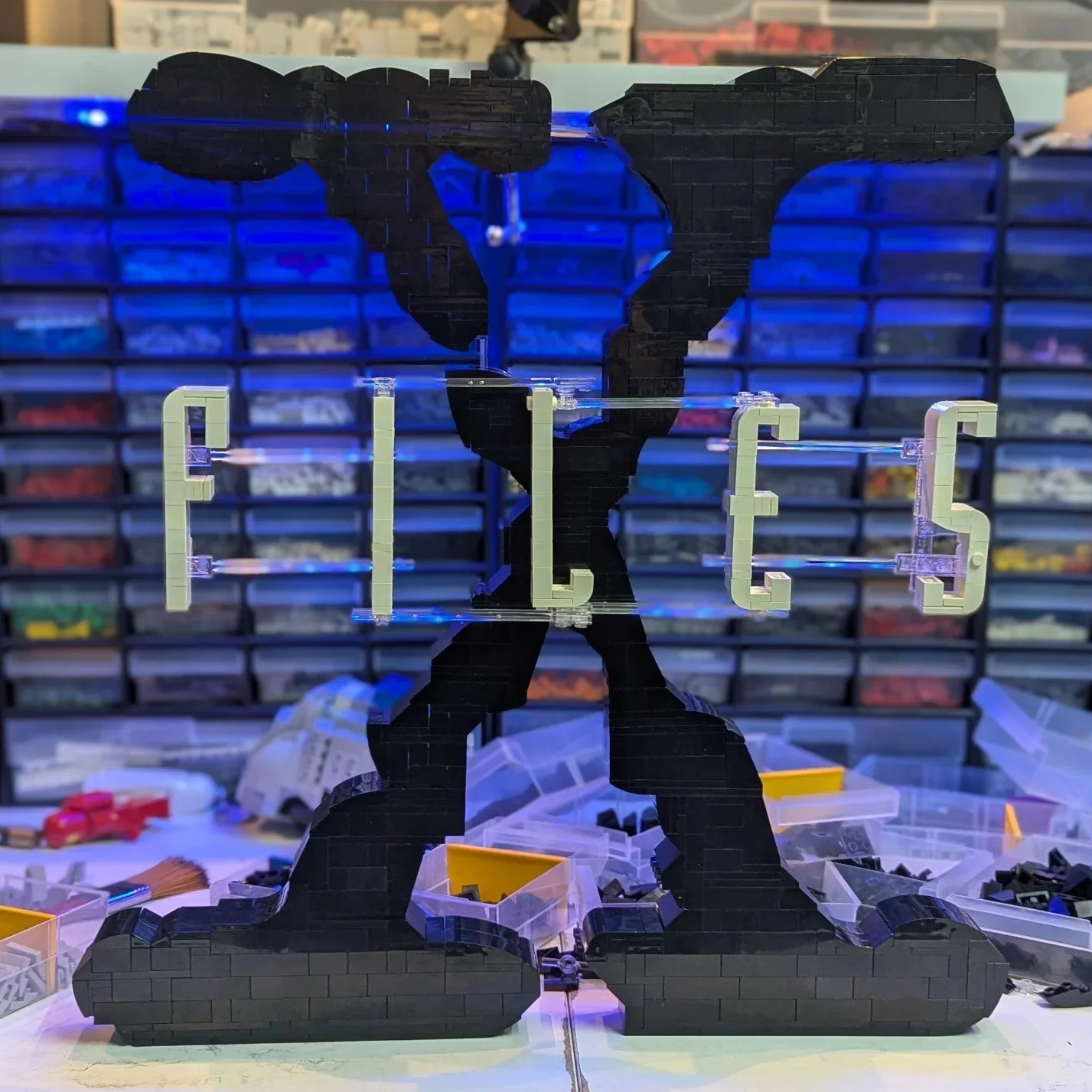
View fullsize
View fullsize
Behind the Truth: A Few More Questions for the LEGO Ideas Team
After hearing Brent’s story, I also had the chance to join a roundtable with LEGO model design master Chris McVeigh and a few members of the LEGO Ideas team. Here are a few of the highlights about the set from that call.
Dave: Brent talked about changing the model from Mulder’s office into something that represented The X-Files. Looking at the original submission, how did you decide what to preserve and what to redesign?
Chris McVeigh (design master): I just loved Brent’s submission. It was really important to me that we preserve the expression. Obviously, Mulder’s basement office isn’t actually below a forest floor, but the way it was presented—the way it encapsulated The X-Files—was absolutely brilliant. It was extremely important that we keep that framing, keep the cave, and keep the office beneath the forest. There was never really any consideration of moving away from that.
Dave: The finished model is significantly smaller than Brent’s original submission, yet it somehow feels even more detailed. What was the process of distilling it down while preserving all those Easter eggs?
Chris McVeigh: The key thing for me was making Mulder’s office as accurately minifigure scale as possible. That meant lowering the ceiling and bringing everything down a bit. The office in the show isn’t especially tall, but Brent’s higher ceiling made it easy to get your hand inside. Once we lowered it, we had to figure out how people would place the minifigures, so the answer became making the model separate into sections.
That solved the building process, improved access, and ended up becoming a display feature where you can show the office, the forest, or even just Mulder’s desk independently. Throughout all of that, I wanted to stay true to the television set while maintaining LEGO’s sense of abstraction and humor.
Dave: One of the things that jumped out to me was the return of the transparent cones for the flashlights. Those parts have been almost impossible to find for years. Was bringing them back intentional?
Chris McVeigh: I felt they were necessary for the flashlights. When we’re making decisions like that, we sometimes look at elements that haven’t been used in a while, and I was actually surprised those cones had only appeared in a single obscure polybag years ago. I thought they were a really good transparent element, and in addition to working perfectly for the flashlights, they added value to the set.
Fan Media Question: Were there any particularly difficult design decisions during development?
Chris McVeigh: One challenge was figuring out the best build flow to get the pencils into the ceiling. That actually pushed us toward making the model come apart into different display sections. Sometimes the difficult decisions end up leading you in a completely new direction, and in this case it added an extra feature to the set.
Fan Media Question: The X-Files has such a huge cast of characters. How did you decide which minifigures and monsters to include?
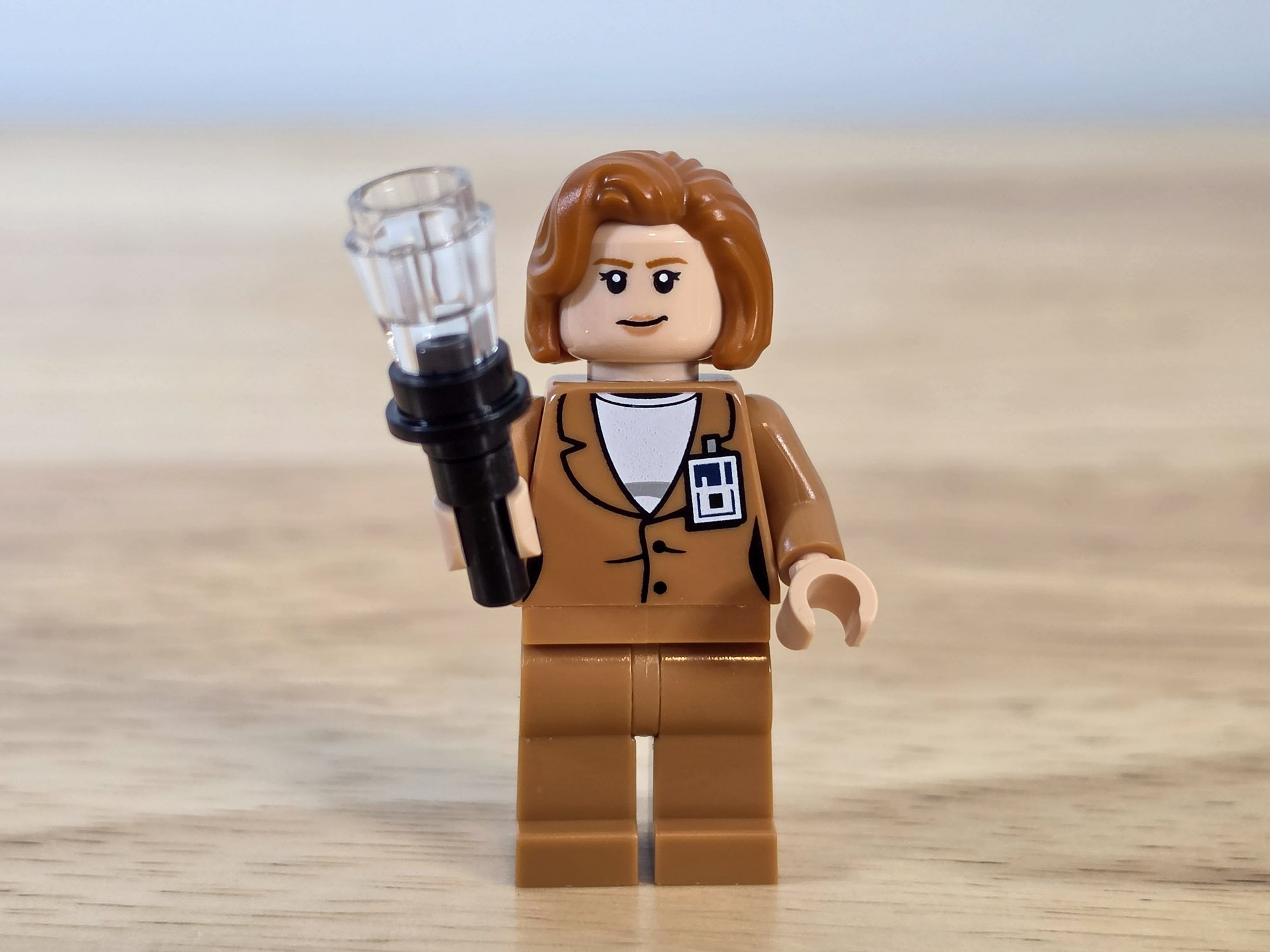
Anne Godsk Pedersen (graphic designer): We looked at which characters and monsters people remember most, and which had the biggest impact on Mulder and Scully. I was especially excited that Flukeman made it through because he’s such a unique character.
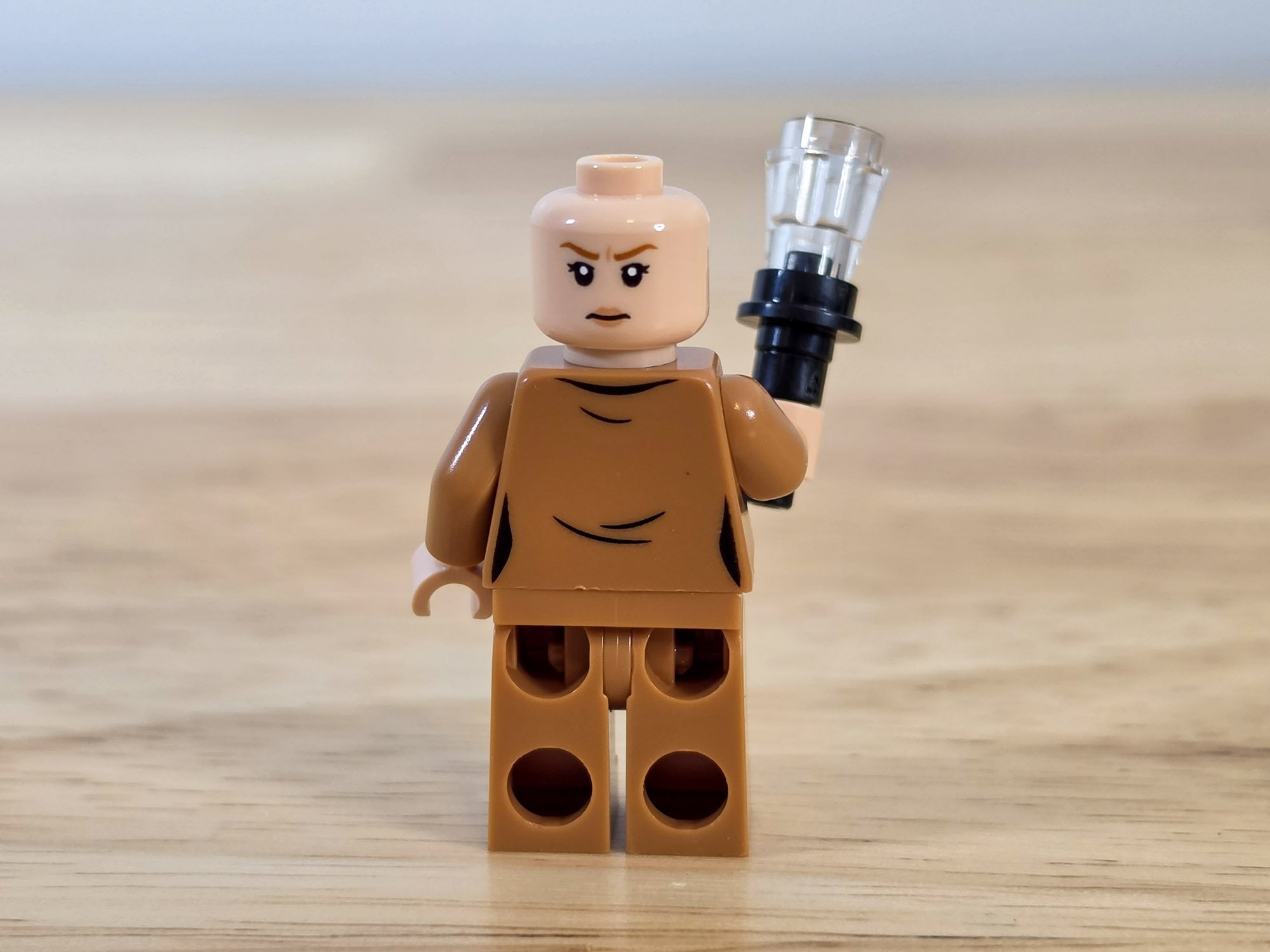
Jordan Scott (creative lead): We wanted another iconic monster besides the gray alien, and Flukeman was a really fun choice because he’s so visually different. We also spent a lot of time deciding which era of The X-Files to focus on since that affected things like Scully’s hairstyle and other character details.
View fullsize
View fullsize
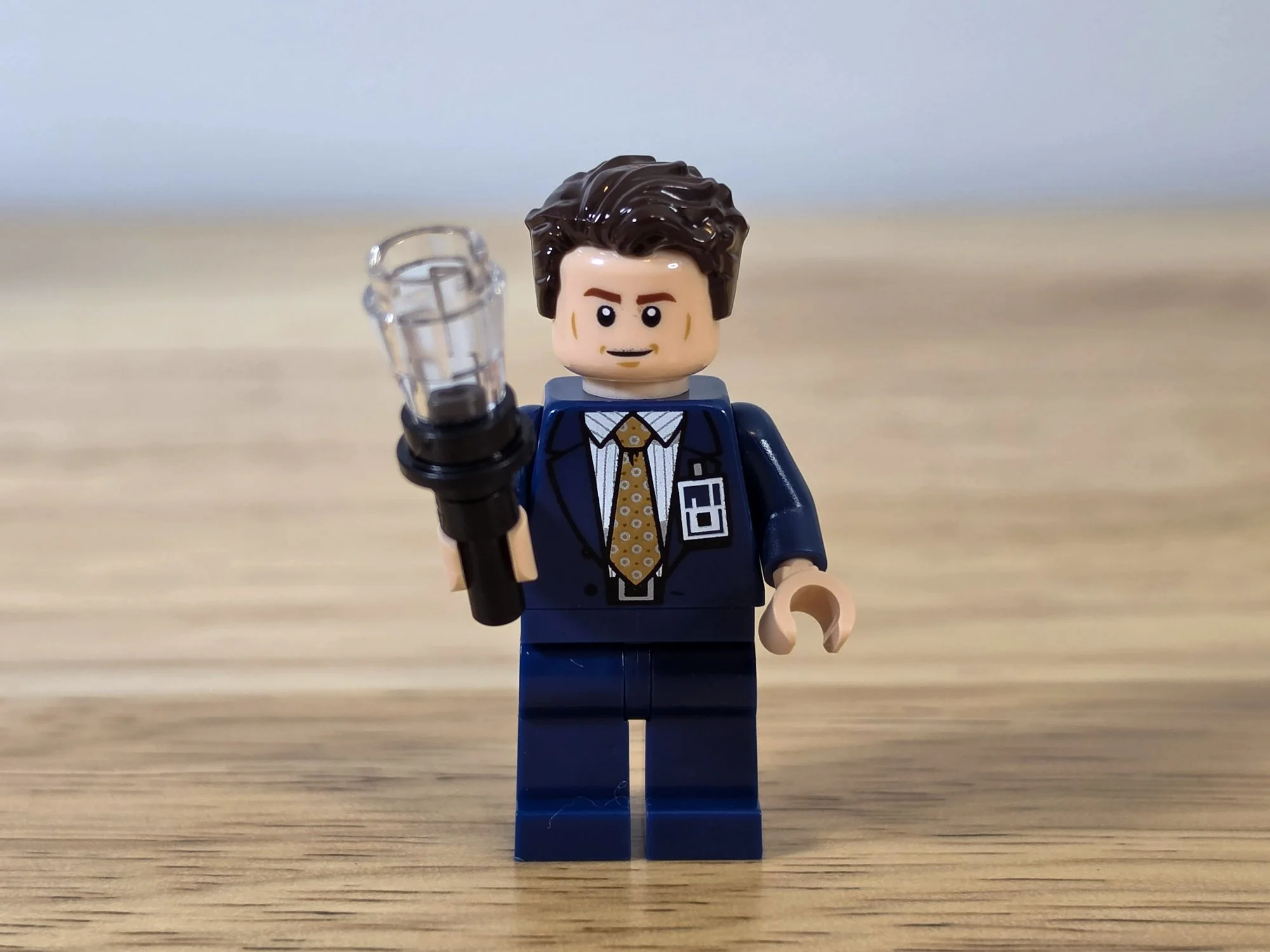
View fullsize
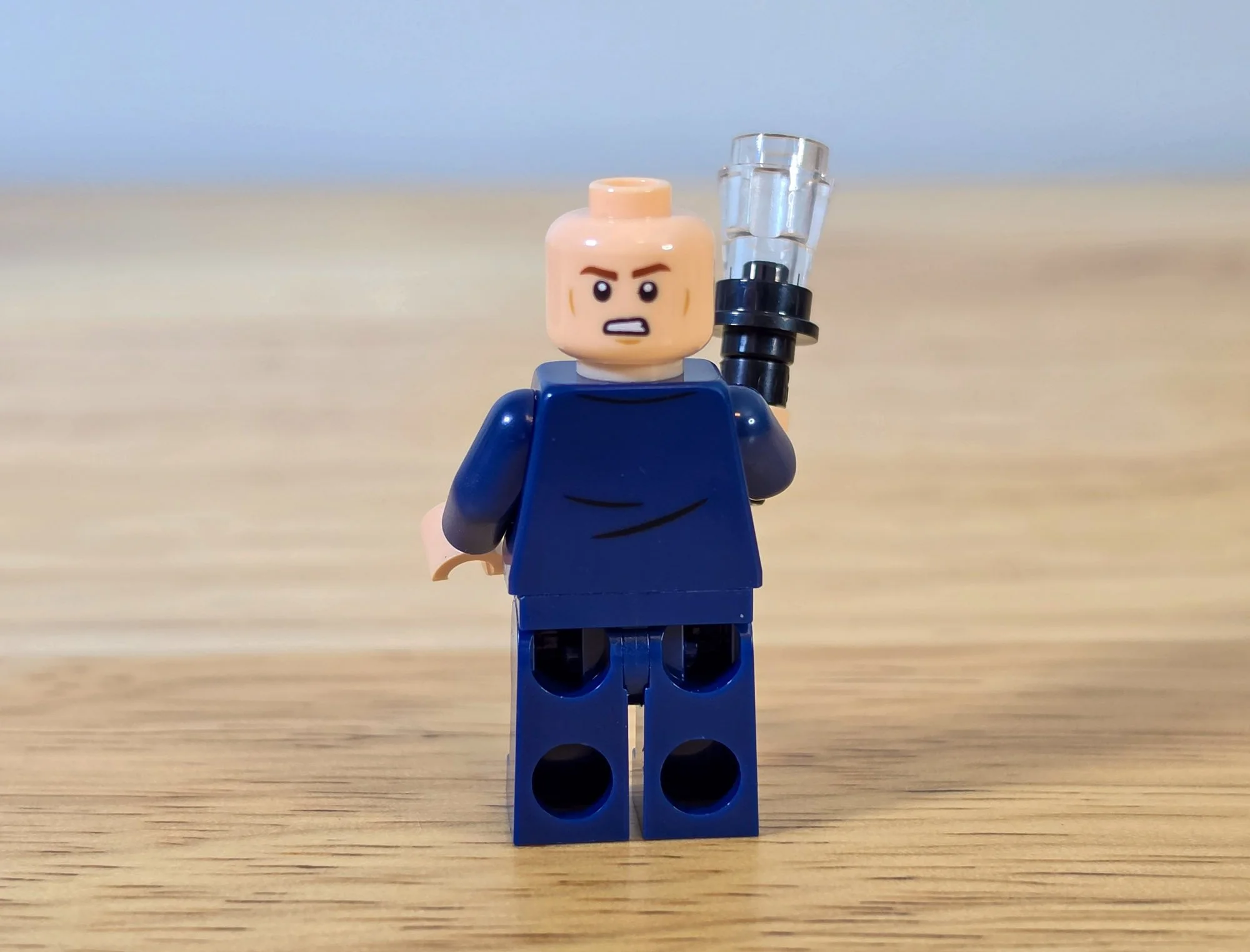
View fullsize
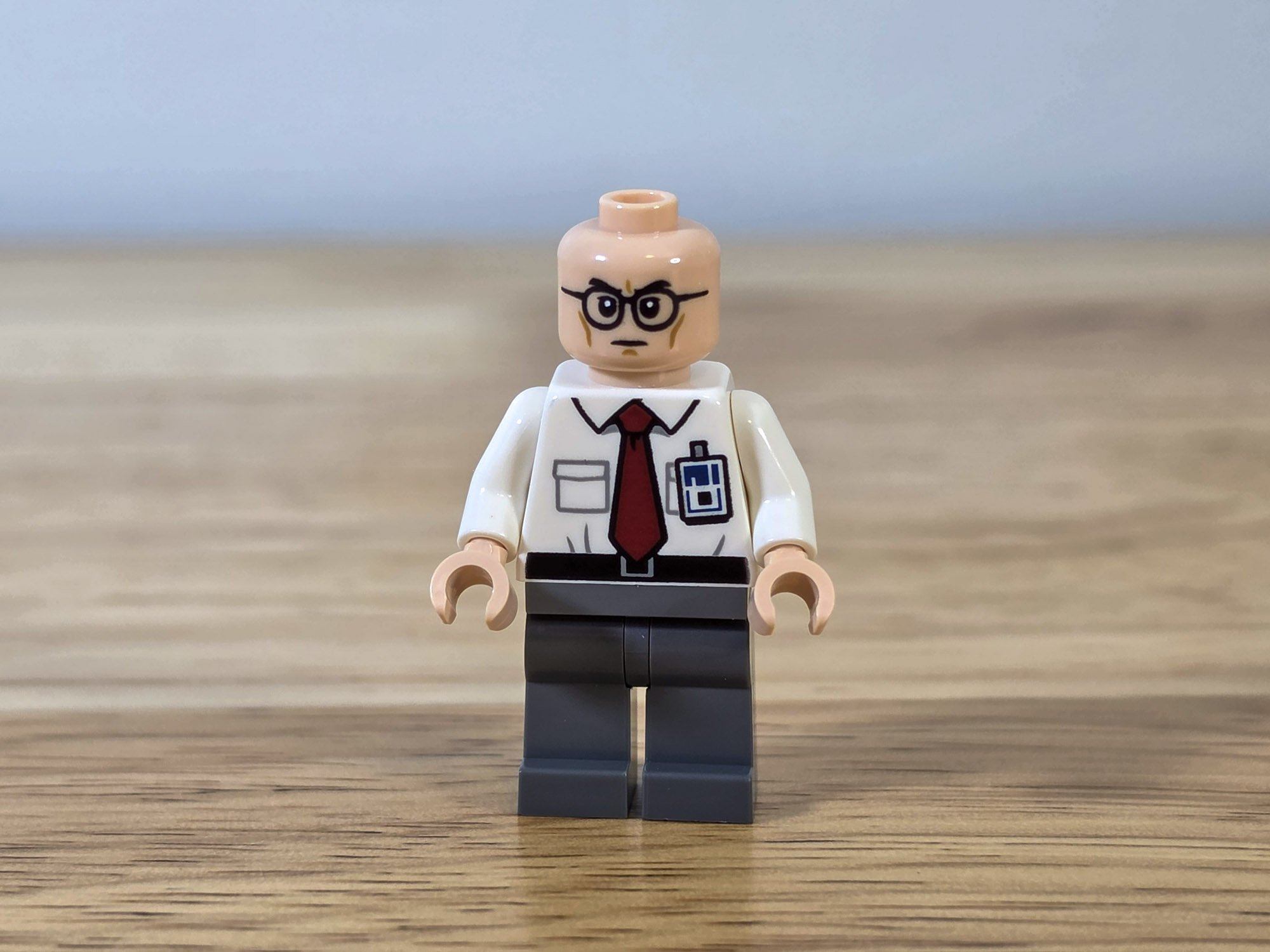
View fullsize
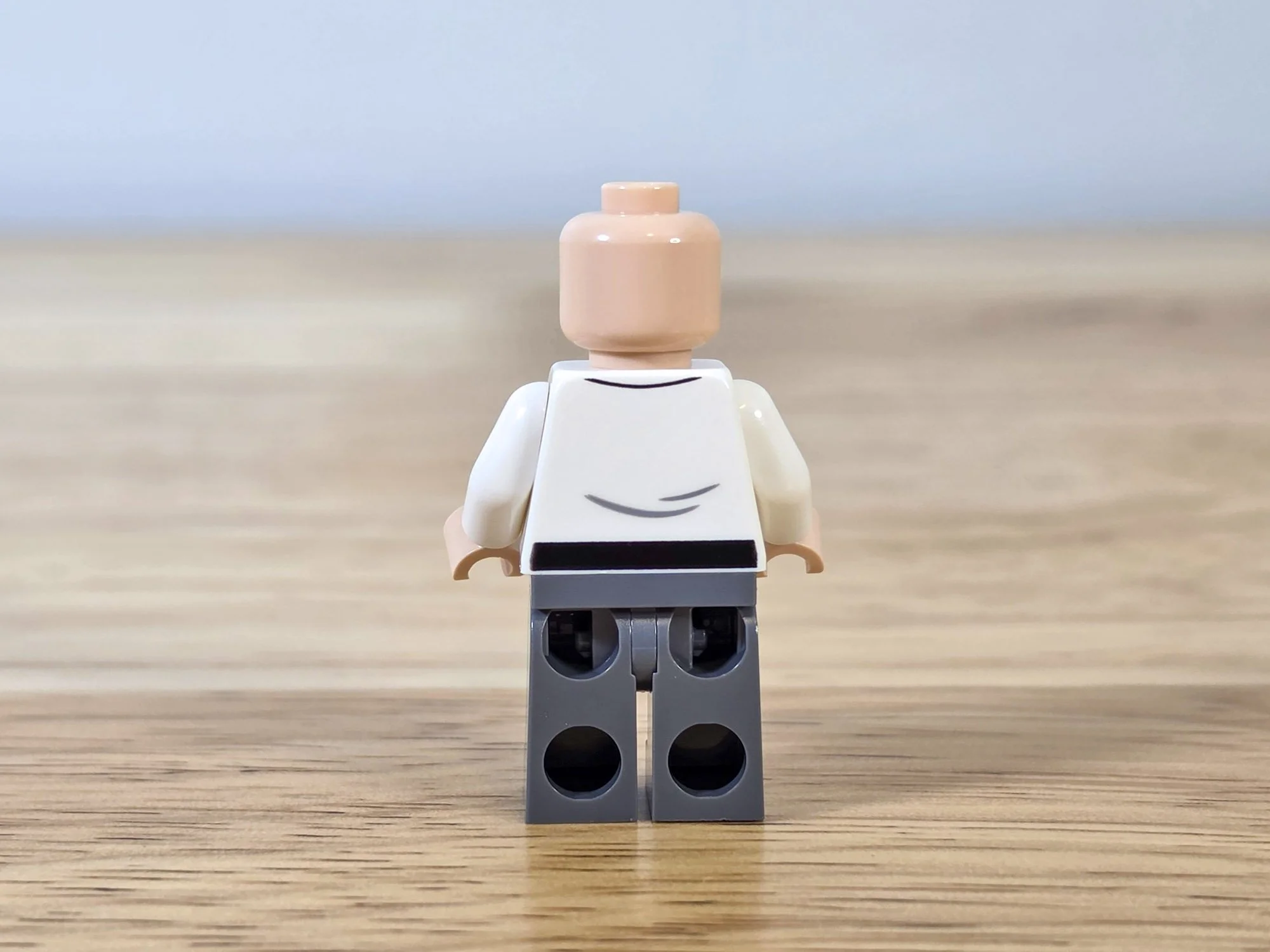
View fullsize
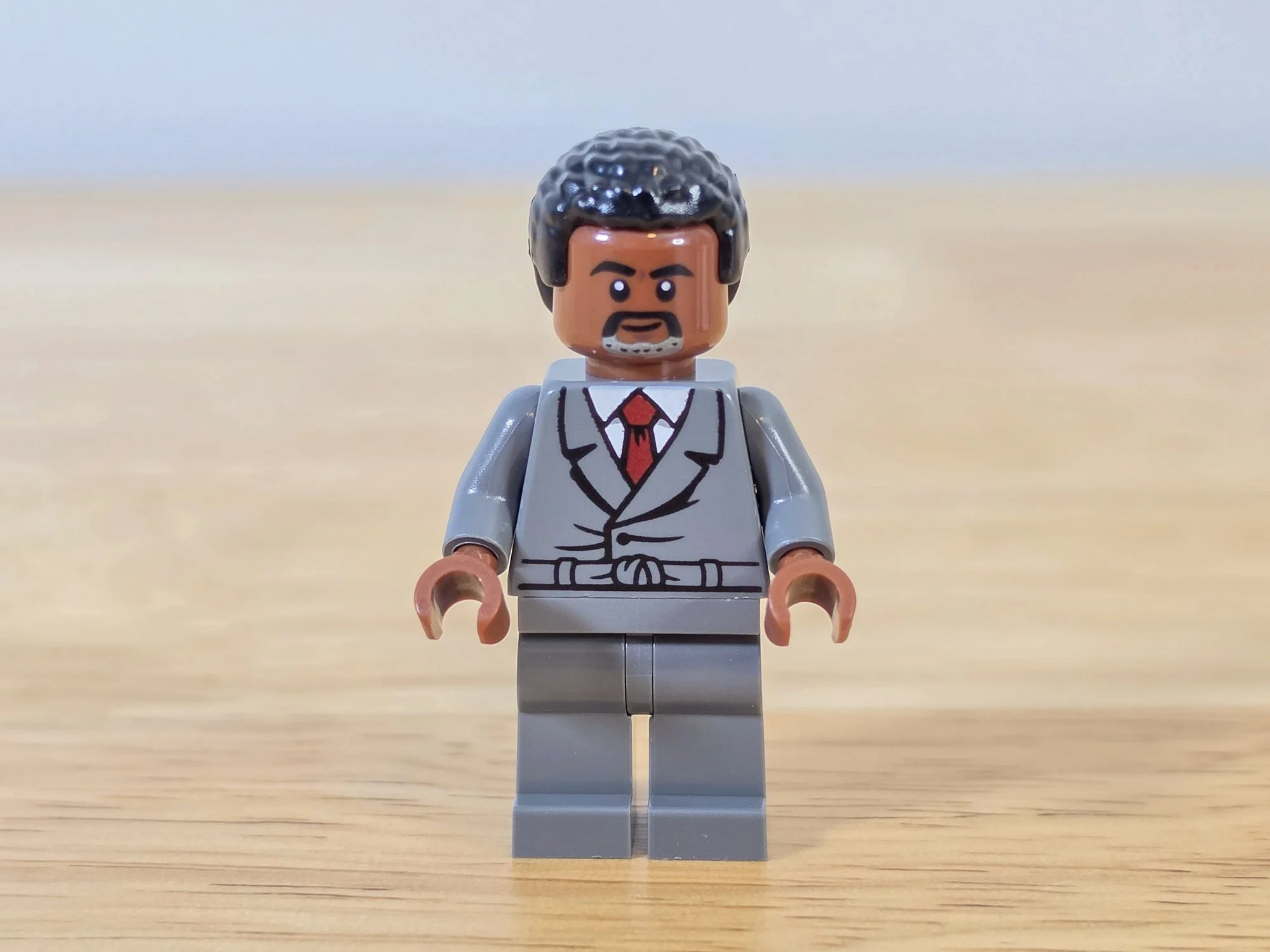
View fullsize
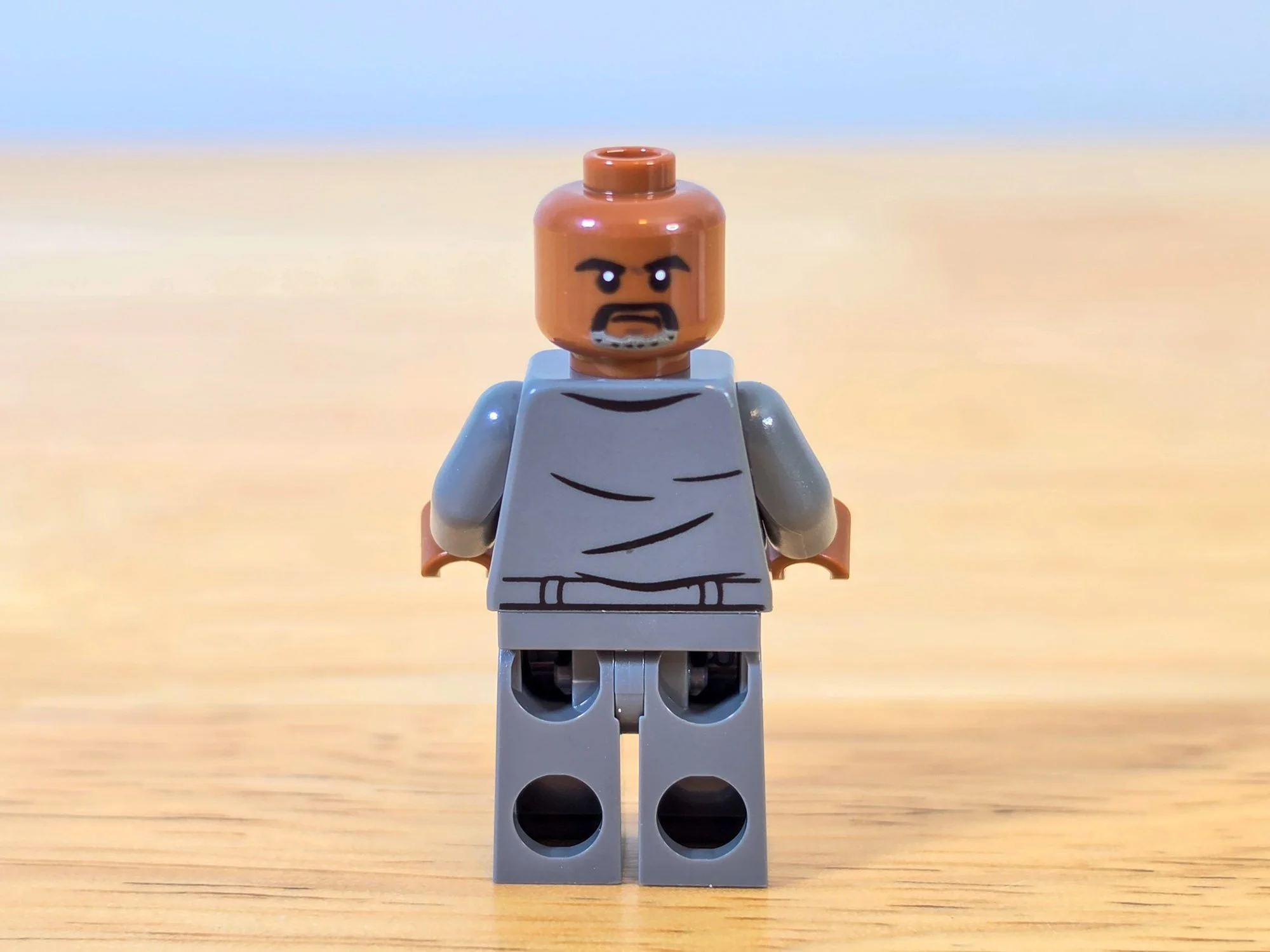
View fullsize
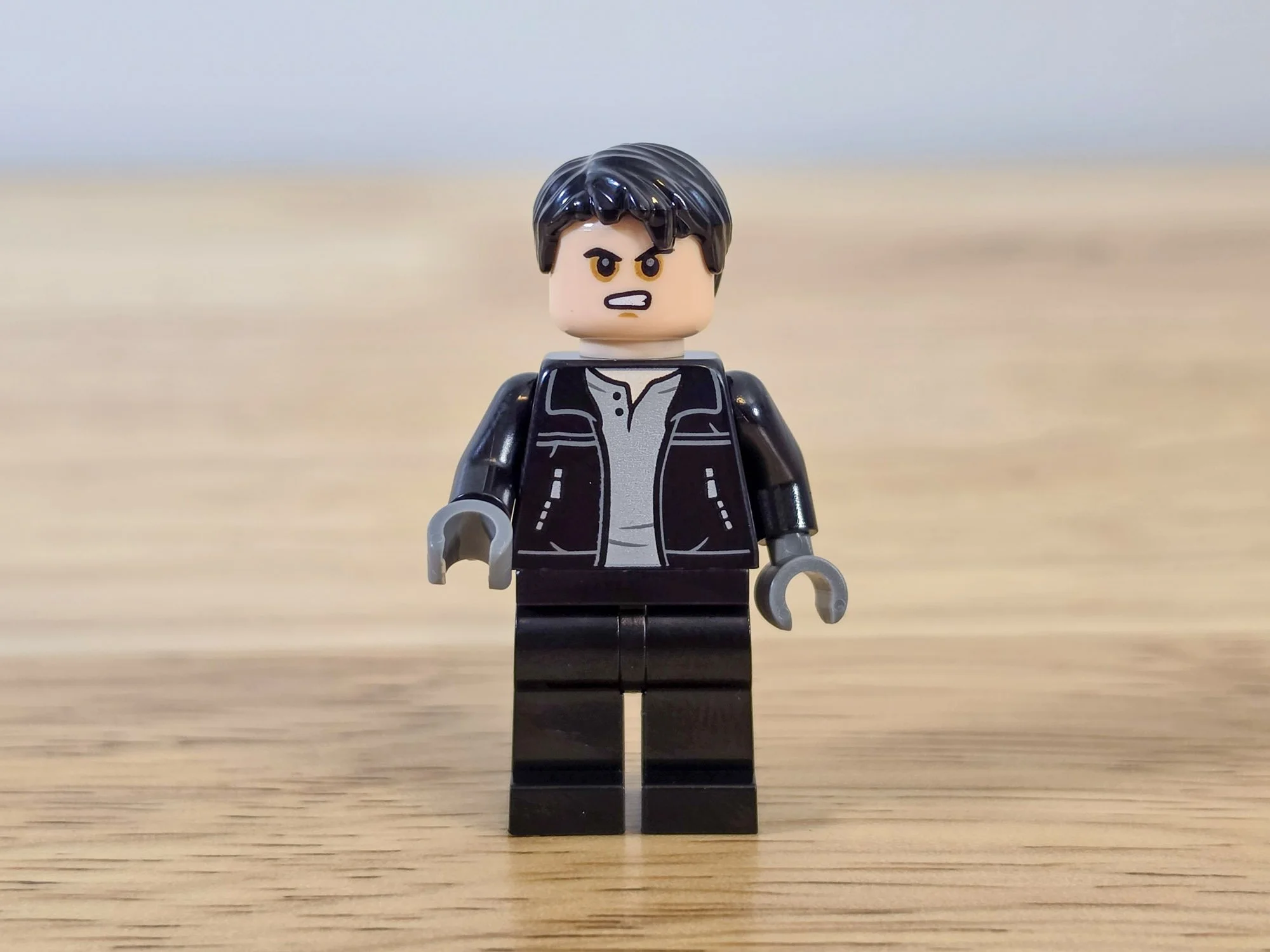
View fullsize
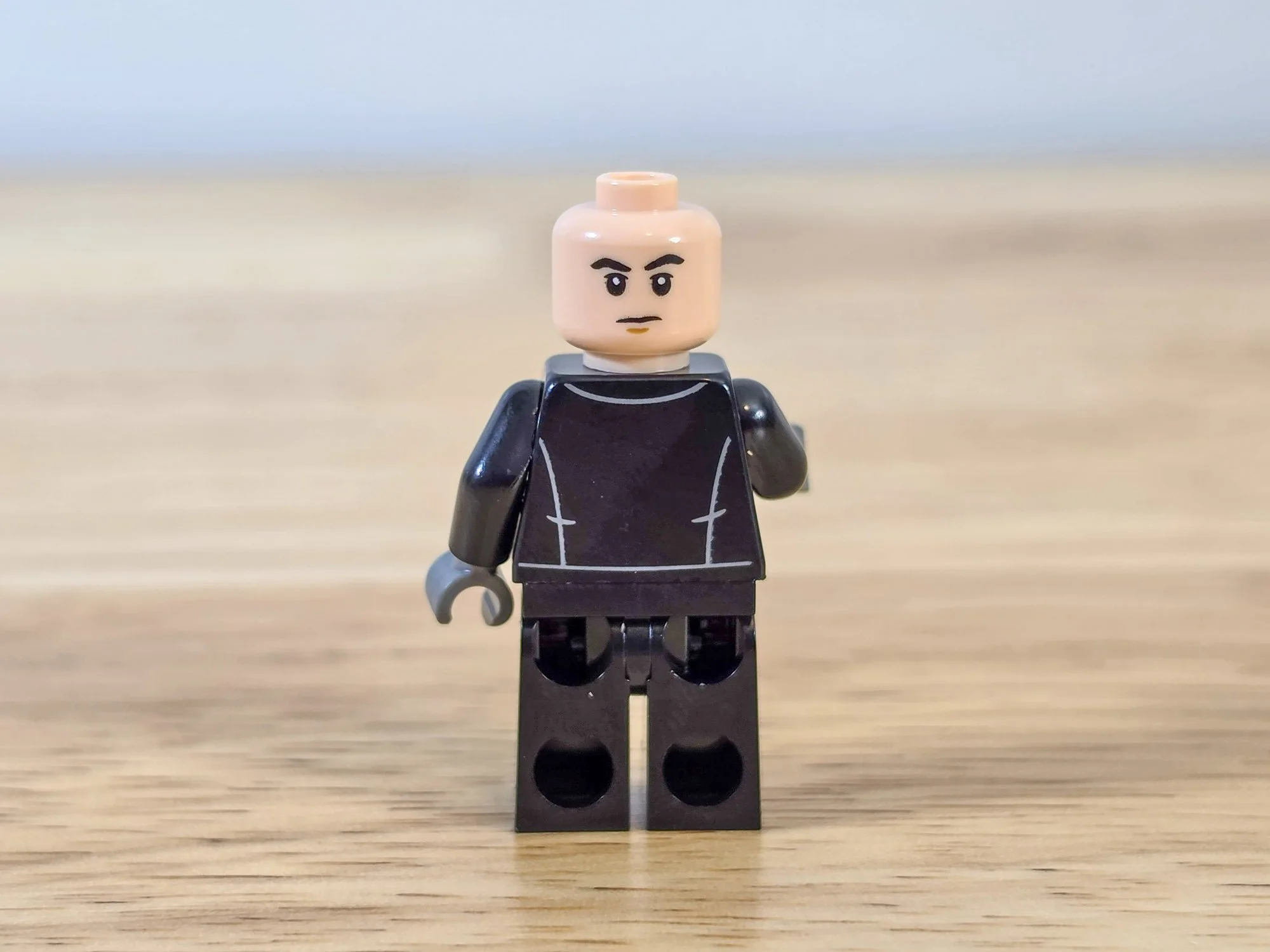
View fullsize
View fullsize
View fullsize
View fullsize
View fullsize
View fullsize
View fullsize
Fan Media Question: There are a lot of Easter eggs hidden throughout the set. Do you have a favorite?
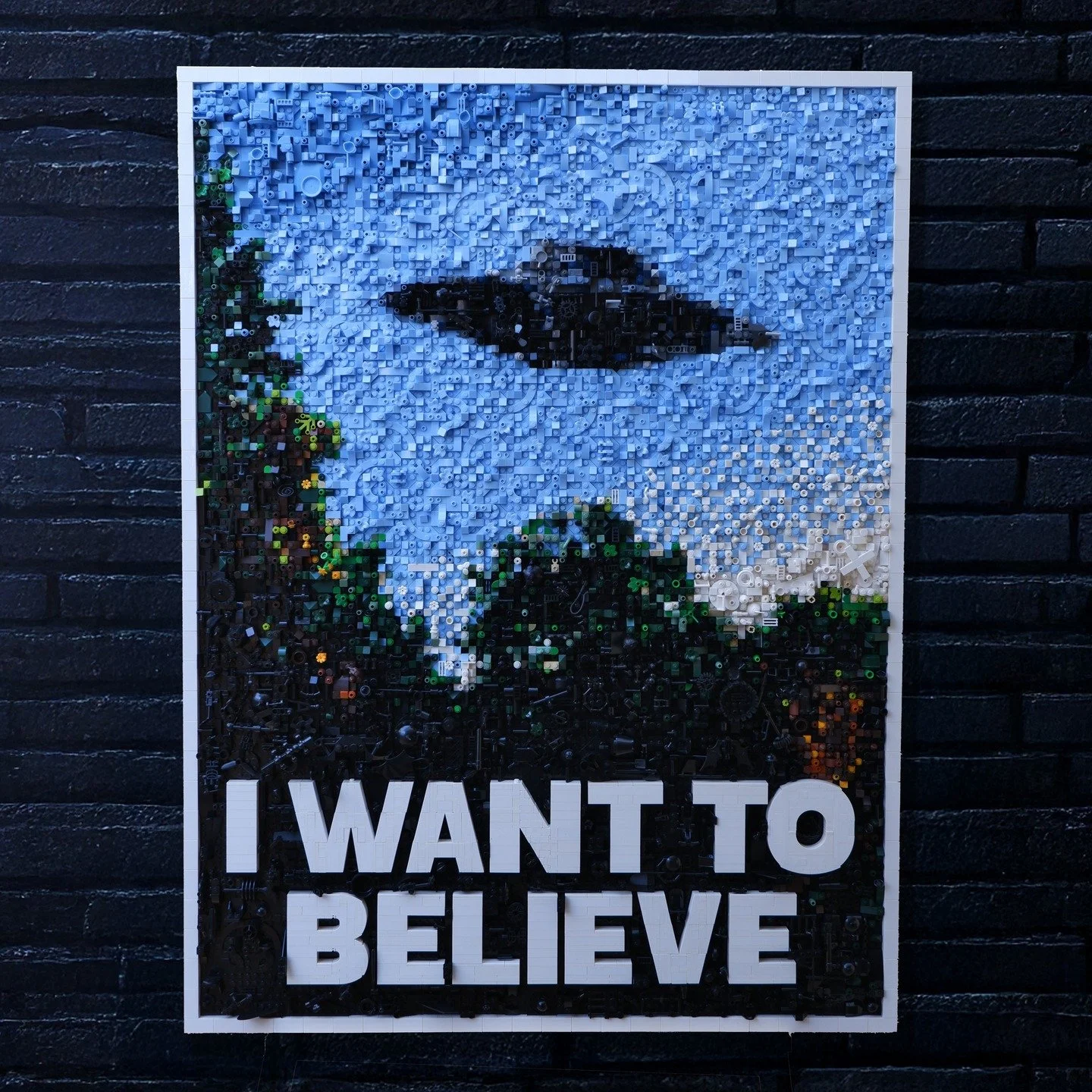
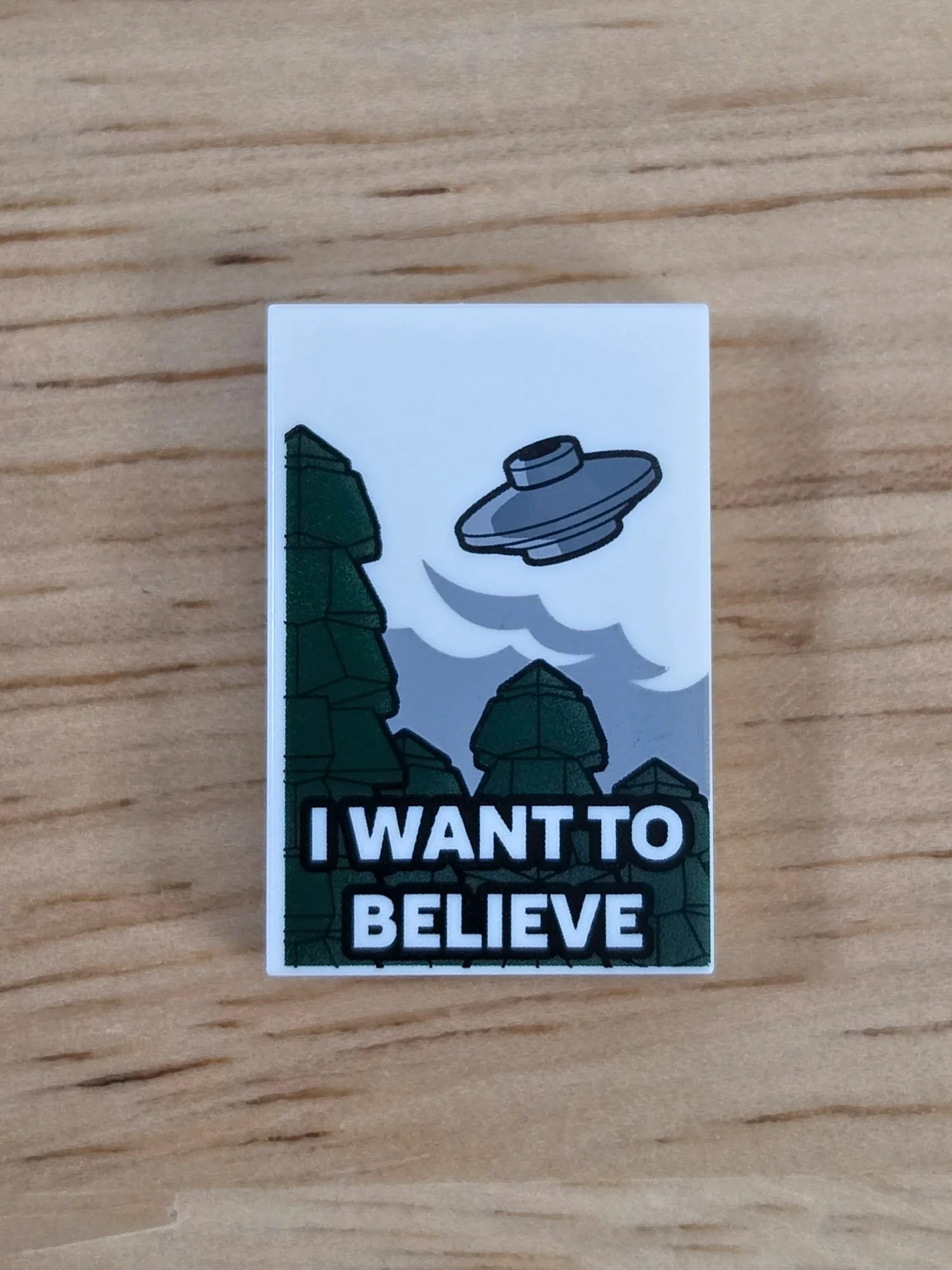
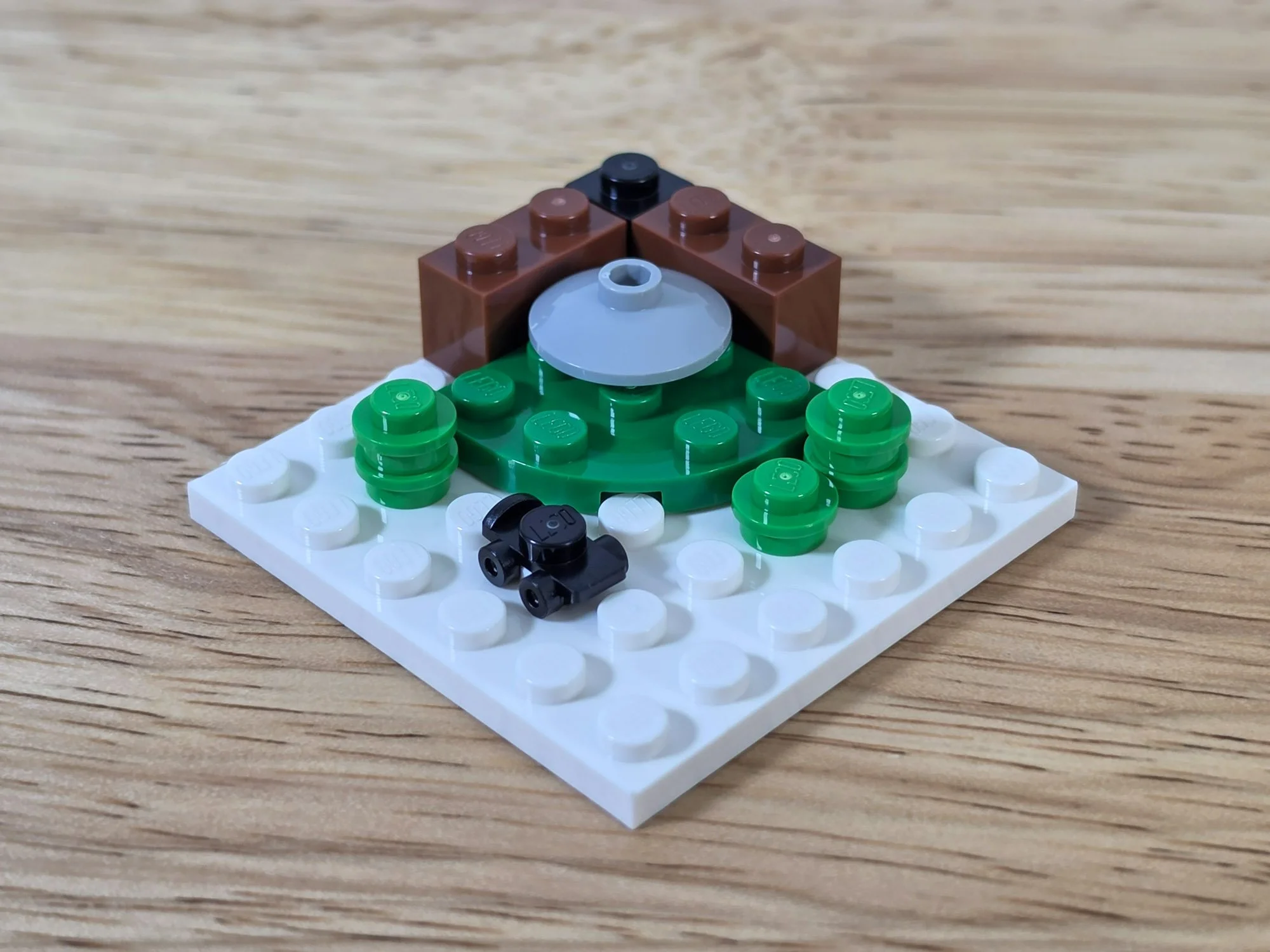
Chris McVeigh: I don’t know if I should reveal this one, because it’s a bit hidden. But one of my favorite Easter eggs is the little micro UFO that’s hidden in the set. It’s actually the same UFO that’s on the “I Want to Believe” poster. I thought it would be fun if it wasn’t just on the poster itself, but if that little UFO also existed somewhere else in the model.
View fullsize
View fullsize
View fullsize
Dave: We haven’t really talked about the Gift With Purchase yet. I’m curious how that came together. Since it isn’t based on a fan submission, how do you decide what should become the companion model? How did you land on Scully’s lab?
Jordan Scott: Deciding whether a set gets a Gift With Purchase actually isn’t up to the LEGO Ideas team. Another team looks across the portfolio and decides which products are a good fit. Once they’ve made that decision, that’s when we get involved and start asking, “Okay, what could we make?”
We sat down as a team and talked through different ideas. We wanted something we could execute well at that scale, while also creating an opportunity for an exclusive minifigure. That’s what led us to Scully’s lab. We also looked at previous GWPs, like the Stranger Things radio station, and liked the smaller footprint. It felt like a good format for this kind of companion build.
One thing we really liked was showing a different side of Scully. The main set leans into the spooky side of The X-Files with Mulder, the forest, and the UFO. The GWP let us focus on Scully as a scientist in her lab, which is such an important part of her character.
Chris McVeigh: I remember rewatching those episodes over and over while sketching out the lab, trying to decide which corner would make the strongest little model. It was a matter of finding the right moment and then using a bit of LEGO abstraction to capture it.
Anne Godsk Pedersen: It also gives you both sides of the characters. The main set focuses on Mulder and the paranormal, while the Gift With Purchase highlights Scully’s science and rational thinking. It’s nice that each set reflects a different part of who they are.
Brent Waller: I wasn’t involved in deciding what the Gift With Purchase would be, so it was a surprise to me too. But I really liked seeing Scully get her own space. Her autopsies and lab work were a huge part of the show, so it felt just as iconic in its own way.
Closing Thoughts
Talking with Brent, one thing became pretty clear—he’s seen just about every side of LEGO Ideas. He was there when CUUSOO was still finding its footing, he’s had projects become official sets, he’s had projects rejected, and he’s watched the platform grow into something much bigger than it was when he started. Along the way, every project seems to have taught him something that carried into the next one.
View fullsize
View fullsize
The 21369 The X-Files feels like the result of all of that. It wasn’t the first version Brent built, and it wasn’t even the first version to reach 10,000 supporters. It took ten years of revisiting the idea along with plenty of collaboration with the LEGO team before it finally became an official set. Looking back through that process—and hearing both Brent and the LEGO design team talk about it—you get a better appreciation for just how much work goes into turning a fan idea into a finished set available on store shelves.
LEGO Ideas 21369 The X-Files will be available starting August 1st for around US $200 | EU €200 | CA $270 | UK £170 | AU $330.
DISCLAIMER: These sets were provided to BrickNerd by LEGO. Any opinions expressed in this article are those of the author.
Do you think LEGO Ideas is harder to succeed on today than it was during the CUUSOO era? Let us know in the comments below!
Do you want to help BrickNerd continue publishing articles like this one? Become a top patron like Paige Mueller, Rob Klingberg from Brickstuff, John & Joshua Hanlon from Beyond the Brick, Megan Lum, Andy Price, Lukas Kurth from StoneWars, Wayne Tyler, Dan Church, and Roxanne Baxter to show your support, get early access, exclusive swag and more.
Leave a Reply